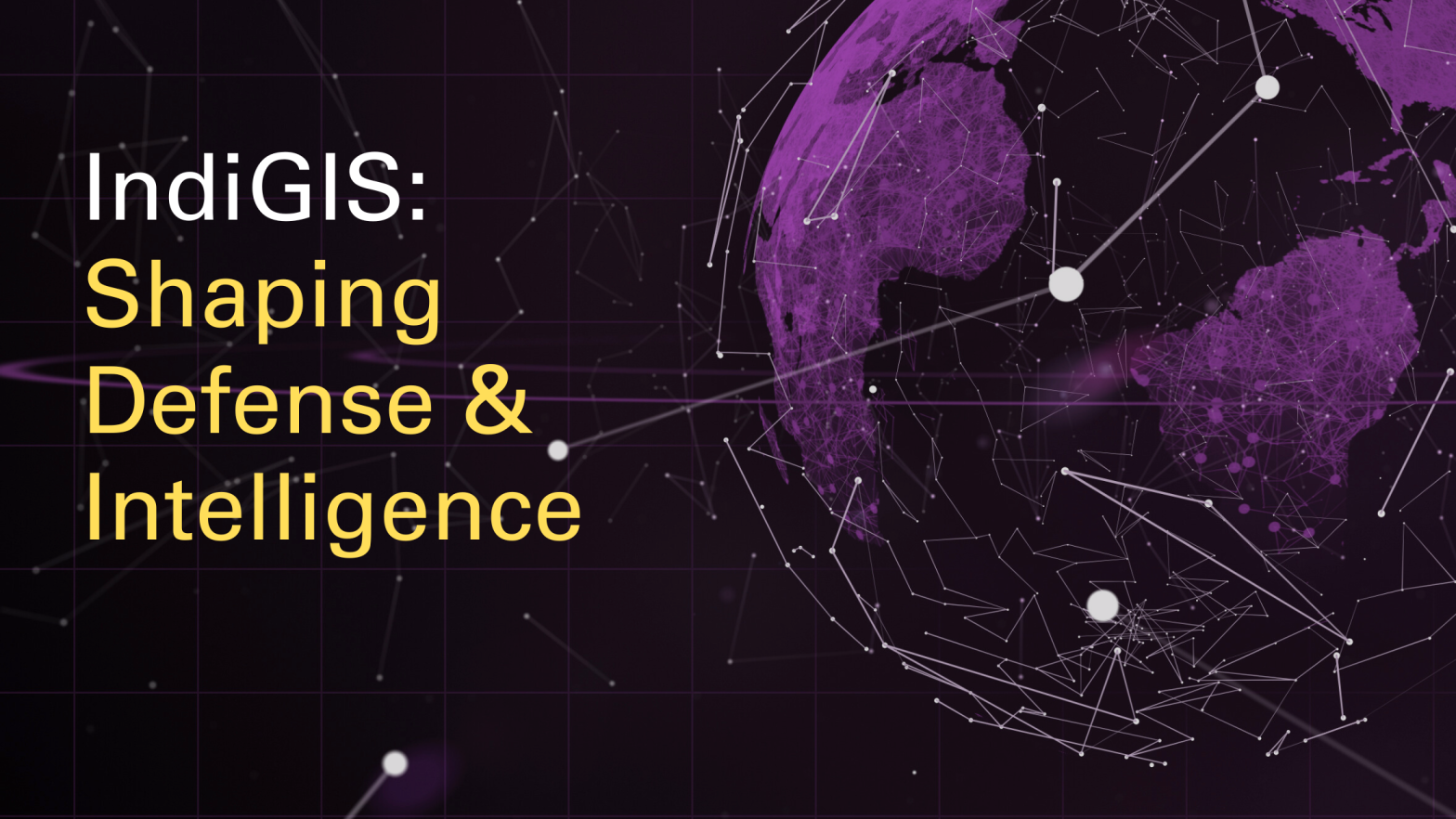
Amidst the backdrop of dynamic security challenges and a constantly evolving technological terrain, IndiGis emerges as an indispensable asset, arming defense and intelligence agencies with cutting-edge geospatial solutions. Its role encompasses strategic mapping, real-time data integration, cross-border surveillance, and humanitarian assistance, all contributing to enhanced operational efficiency and security. In this blog post, we will investigate the various avenues through which IndiGis, confers a decisive edge to the defense and intelligence sectors. 1. Geospatial Intelligence (GEOINT): IndiGis plays a pivotal role in the generation of Geospatial Intelligence (GEOINT). By integrating geographical data with other forms of intelligence, GEOINT helps military and intelligence agencies understand the physical environment in which they operate. This includes terrain analysis, mapping enemy positions, and monitoring potential threats. 2. Effective Resource Allocation: Defense and intelligence agencies often operate under budgetary constraints. IndiGis assists in optimizing resource allocation by analyzing spatial data to identify critical areas that require attention. This can range from planning troop deployments to deciding where to establish surveillance infrastructure. 3. Real-time Situational Awareness: In an ever-changing world, real-time situational awareness is paramount. IndiGis technology allows defense and intelligence agencies to monitor events as they unfold. This includes tracking troop movements, monitoring natural disasters, and assessing the impact of geopolitical developments. 4. Logistics and Supply Chain Management: Logistics are the lifeblood of defense operations. IndiGis helps streamline the movement of personnel and equipment by identifying efficient routes, managing supply chains, and ensuring timely deliveries. This not only saves resources but also enhances operational readiness. 5. Border and Maritime Security: Securing borders and coastlines is a complex task. IndiGis aids in border surveillance, detecting intrusions, and monitoring maritime traffic. It provides agencies with a comprehensive view of their territory, allowing them to respond swiftly to potential threats. Also Read: Top Benefits of Geographic Information Systems (GIS) 6. Disaster Response and Recovery: Natural disasters and humanitarian crises demand rapid response. IndiGis enables agencies to assess the impact of disasters, plan evacuation routes, and coordinate relief efforts. It plays a crucial role in saving lives and mitigating the aftermath of catastrophes. 7. Predictive Analysis: IndiGis can be used for predictive analysis by modeling potential future scenarios. For example, it can simulate the effects of a military operation or predict the spread of a disease. This foresight is invaluable in strategic planning. 8. Collaboration and Information Sharing: In the world of defense and intelligence, collaboration is essential. IndiGis facilitates information sharing among various agencies, both domestically and internationally. It helps create a common operational picture, fostering cooperation and coordination. Conclusion: In a rapidly evolving security landscape, IndiGis Solutions, offered by MicroGenesis, stands as a force multiplier for defense and intelligence agencies. Its ability to harness geospatial data, enhance situational awareness, and support informed decision-making makes it an indispensable tool. As technology continues to advance, the role of IndiGis in providing an edge to defense and intelligence will only become more prominent. Embracing IndiGis is not just a choice; it’s a necessity for staying ahead in the complex world of national security and intelligence.

- Company
-
-
Company
Built on strong engineering fundamentals, thoughtful, future-driven leadership, and a collaborative culture, we at MicroGenesis focus on delivering dependable outcomes for customers and partners.
-
-
- Services
-
-
Services
Our engineering, automation, and operations are integrated to ensure systems move reliably for building long-term operation.
The intent is to reduce risk, manage change effectively, and sustain performance in complex environments.
-
-
- Products
-
-
Products
Built to solve focused, recurring problems encountered in complex engineering and operational environments, our products emphasize accuracy, automation, and reliability to support better decisions and more efficient execution.
-
-
- Partners
-
-
Partners
Our partnerships are built around applying proven platforms to real engineering and operational challenges with a focus on improving traceability, automation, and quality across complex systems and development lifecycles.
-
-
- Defence
-
-
Defense
Our offerings leverage advanced technologies to boost situational awareness, automation, and accuracy, combining geospatial intelligence with autonomous systems for informed decision-making.
-
-
- Resources
-
-
Resources
Access insights from MicroGenesis on solving complex engineering and technology challenges. Our resources cover practical solutions, scalable strategies, and approaches that drive operational efficiency. Subscribe for the latest expert perspectives.
-
-
- Contact Us