Using GIS in Healthcare: Mapping Public Health Trends 

Geographic Information Systems (GIS) have revolutionized numerous fields, from urban planning to environmental management. One of the most impactful applications of GIS is in healthcare, where it is used to map public health trends. GIS mapping services enhance this capability by providing advanced tools for spatial analysis, geocoding, and interactive mapping. This technology not only helps in visualizing and analyzing health data geographically but also plays a crucial role in disease prevention, management, and resource allocation. The Basics of GIS in Healthcare  At its core, GIS is a framework for gathering, managing, and analyzing data rooted in the science of geography. It integrates many types of data and uses spatial location as a common identifier to reveal patterns, relationships, and situations. In healthcare, GIS is used to map data related to diseases, health services, and population health metrics. This allows for a visual representation of health trends, helping stakeholders to understand complex scenarios quickly and accurately.  Historical Context and Evolution  The use of GIS in healthcare dates back to the mid-19th century, when Dr. John Snow, a British physician, utilized a map to pinpoint the source of a cholera outbreak in London. By mapping cholera cases, he traced the outbreak to a contaminated water pump, showcasing the early power of spatial analysis in epidemiology. Today, GIS consultancy services remain vital in healthcare, enabling institutions to leverage geographic data for disease surveillance, resource allocation, and informed decision-making. Since then, the evolution of GIS technology has made it more sophisticated and accessible. With advancements in computing power, data collection, and integration capabilities, modern GIS applications in healthcare are far more advanced, allowing for real-time data processing and complex spatial analyses.  Applications of GIS in Healthcare One of the primary uses of GIS in healthcare is in tracking and managing disease outbreaks. By mapping the occurrence of diseases, public health officials can identify patterns and hotspots of disease spread. This spatial analysis is crucial in managing outbreaks such as influenza, Zika virus, and more recently, COVID-19. GIS helps in monitoring the spread, predicting future hotspots, and deploying resources effectively to mitigate the impact.  Healthcare resources, such as hospitals, clinics, and medical supplies, are often limited. GIS assists in the optimal allocation of these resources by identifying areas with the greatest need. For instance, during a pandemic, GIS can help determine where to set up temporary healthcare facilities or distribute vaccines by analyzing population density, infection rates, and healthcare infrastructure.  Researchers use GIS to study the geographic distribution of diseases and their determinants. By overlaying health data with environmental, demographic, and socio-economic data, researchers can identify potential risk factors and causes of diseases. This spatial analysis helps in understanding the epidemiology of diseases and developing targeted interventions.  GIS is instrumental in planning health services and facilities. By analyzing population health data, healthcare needs, and accessibility, planners can determine the best locations for new health facilities. This ensures that healthcare services are accessible to the population, reducing disparities in healthcare access.  Maps created using GIS can be powerful tools for public health education and awareness. They can visually communicate complex health data to the public, making it easier to understand health trends and risks. This can lead to better-informed communities and proactive health behaviors.  In emergencies, such as natural disasters or bioterrorism events, GIS is crucial for response and preparedness. It helps in mapping affected areas, planning evacuation routes, and deploying emergency services. GIS ensures that emergency response is timely and efficient, potentially saving lives.  Also read: How IndiGis Empowers Defense & Intelligence Case Study: GIS in COVID-19 Management  The COVID-19 pandemic showcased the critical role of GIS in managing public health crises. Governments and health organizations worldwide used GIS to track the spread of the virus, manage resources, and communicate information to the public. Interactive dashboards, such as the one developed by Johns Hopkins University, provided real-time data on COVID-19 cases, deaths, and recoveries globally. These dashboards allowed health officials and the public to visualize the pandemic’s progression and make informed decisions.  In addition to tracking the virus’s spread, GIS was used to identify vulnerable populations, allocate medical resources, and plan vaccination campaigns. For instance, GIS helped determine where to set up testing and vaccination centers, ensuring they were accessible to high-risk populations.  Challenges and Future Directions  While GIS has proven to be a powerful tool in healthcare, it is not without challenges. One of the primary challenges is data privacy and security. Health data is sensitive, and ensuring its confidentiality while using GIS is crucial. Additionally, there is a need for standardized data collection and integration methods to ensure accuracy and comparability of data across different regions and systems.  Looking to the future, the integration of GIS with emerging technologies such as artificial intelligence (AI) and big data analytics holds great promise. AI can enhance GIS capabilities by providing predictive analytics and identifying complex patterns in large datasets. This can lead to more accurate disease modeling, better resource allocation, and improved public health outcomes.  Moreover, the increasing availability of real-time data from sources such as social media, wearable devices, and mobile health apps can further enhance GIS applications in healthcare. These data sources can provide timely insights into public health trends, enabling quicker response and intervention.  Conclusion  GIS has become an indispensable tool in healthcare, providing valuable insights into public health trends and facilitating better decision-making. From disease surveillance and resource allocation to epidemiological research and emergency response, the applications of GIS in healthcare are vast and varied. As technology continues to evolve, the integration of GIS with other advanced technologies will further enhance its capabilities, driving improved health outcomes and advancing public health initiatives. By leveraging the power of GIS, healthcare organizations can better understand and address the complex health challenges of today and tomorrow. Microgenesis, one of the top managed service providers, offers specialized GIS solutions that empower healthcare organizations to optimize their use of geographic data. With expertise in deploying and managing advanced GIS services, Microgenesis helps healthcare providers… Continue reading Using GIS in Healthcare: Mapping Public Health Trends 

The Benefits of GIS for Business Intelligence 

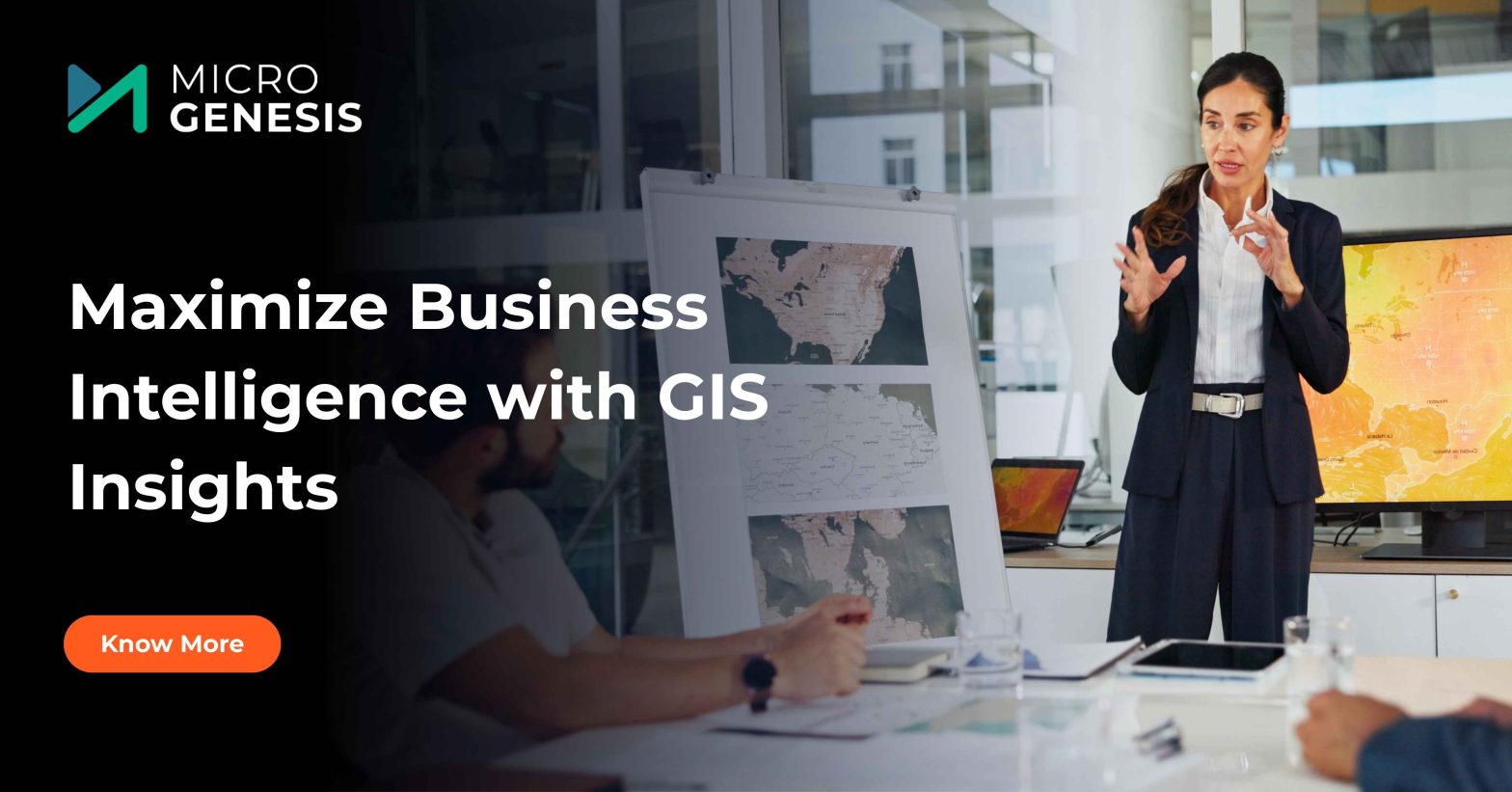
In today’s data-driven world, businesses are constantly seeking ways to leverage information for strategic decision-making. Geographic Information Systems (GIS) have emerged as a powerful tool in the realm of business intelligence (BI), providing spatial context to data and enabling companies to gain deeper insights into their operations and markets. GIS mapping services offer specialized solutions that enhance the visualization and analysis of spatial data, making it easier for businesses to identify patterns, trends, and relationships. This blog explores the myriad benefits of integrating GIS with business intelligence, including the use of advanced GIS mapping services, and how it can transform various aspects of business operations Understanding GIS and Business Intelligence  Before delving into the benefits, it’s essential to understand what GIS and business intelligence entail. GIS is a system designed to capture, store, manipulate, analyze, manage, and present spatial or geographic data. It allows users to visualize, question, and interpret data to understand relationships, patterns, and trends.  Business intelligence, on the other hand, refers to technologies, processes, and practices used to collect, integrate, analyze, and present business data. The goal of BI is to support better business decision-making. When GIS is integrated with BI, it enhances the ability to analyze data through a geographical lens, providing a new dimension to business insights. GIS services, including spatial analysis, geocoding, and interactive mapping, further enrich the BI process by offering detailed location-based data and visualization tools, enabling businesses to make more informed and strategic decisions. Key Benefits of GIS for Business Intelligence  One of the primary benefits of GIS in business intelligence is its ability to visualize data geographically. Traditional BI tools often present data in tabular or graphical formats. While these methods are effective, they may not always reveal spatial patterns or relationships. GIS allows businesses to create maps and spatial models that highlight geographical trends and correlations. For example, a retail company can use GIS to visualize sales data across different regions, identifying high-performing and underperforming areas at a glance.  GIS enhances decision-making by providing a spatial context to data. Businesses can analyze location-based data to make informed decisions about site selection, market expansion, logistics, and more. For instance, a company looking to open a new store can use GIS to evaluate potential locations based on factors such as population density, competitor locations, and accessibility. This spatial analysis helps ensure that decisions are data-driven and strategically sound.  Efficient resource allocation is critical for business success. GIS helps businesses optimize the allocation of resources such as personnel, equipment, and inventory by providing insights into spatial distribution and demand patterns. For example, a delivery company can use GIS to plan efficient delivery routes, reducing fuel costs and improving delivery times. Similarly, utility companies can use GIS to manage and maintain their infrastructure, ensuring that resources are deployed where they are needed most.  Understanding market dynamics is essential for business growth. GIS enables businesses to perform detailed market analysis by integrating demographic, socioeconomic, and behavioral data with geographic information. This comprehensive analysis helps businesses identify target markets, understand customer preferences, and tailor their marketing strategies accordingly. For example, a real estate company can use GIS to analyze property values, demographic trends, and local amenities to identify lucrative investment opportunities.  GIS can significantly enhance customer relationship management by providing a spatial dimension to customer data. Businesses can analyze customer locations, purchase patterns, and preferences to develop targeted marketing campaigns and personalized services. For instance, a telecommunications company can use GIS to identify areas with high customer churn rates and develop strategies to retain customers in those regions. Additionally, GIS can help businesses optimize their service areas and improve customer satisfaction by ensuring timely and efficient service delivery.  GIS plays a crucial role in risk management and mitigation by providing insights into potential risks and vulnerabilities. Businesses can use GIS to analyze natural hazards, environmental factors, and socio-political conditions that may impact their operations. For example, a manufacturing company can use GIS to assess the risk of natural disasters, such as floods or earthquakes, and develop contingency plans to ensure business continuity. Similarly, financial institutions can use GIS to evaluate the risk of lending in different regions and make informed decisions about credit allocation.  Efficient supply chain management is vital for business success. GIS helps businesses optimize their supply chains by providing insights into transportation networks, distribution centers, and demand patterns. By analyzing spatial data, businesses can identify bottlenecks, reduce transportation costs, and improve overall supply chain efficiency. For instance, a retail company can use GIS to determine the optimal locations for warehouses and distribution centers, ensuring that products reach customers quickly and cost-effectively.  As businesses increasingly prioritize sustainability, GIS has become an essential tool for environmental planning and management. GIS enables businesses to assess the environmental impact of their operations, monitor resource usage, and develop sustainable practices. For example, a construction company can use GIS to analyze the environmental impact of a new project and implement measures to mitigate adverse effects. Similarly, agricultural businesses can use GIS to monitor soil health, optimize water usage, and promote sustainable farming practices.  Integrating GIS with business intelligence provides a competitive advantage by offering unique insights that competitors may not have. Businesses can leverage GIS to identify emerging trends, anticipate market shifts, and stay ahead of the competition. For example, a retail company can use GIS to analyze competitor locations and identify underserved markets, allowing them to expand strategically. By harnessing the power of GIS, businesses can make proactive decisions and seize opportunities that others may overlook.  Read more: Application of GIS in Natural Resource Management Real-World Examples of GIS in Business Intelligence  Several companies across various industries have successfully integrated GIS with business intelligence to drive growth and efficiency. Here are a few examples:  Conclusion  The integration of GIS with business intelligence offers numerous benefits hat can transform various aspects of business operations. From enhanced data visualization and improved decision-making to optimized resource allocation and competitive advantage, GIS provides a spatial dimension that enriches traditional BI… Continue reading The Benefits of GIS for Business Intelligence 

Application of GIS in Natural Resource Management 

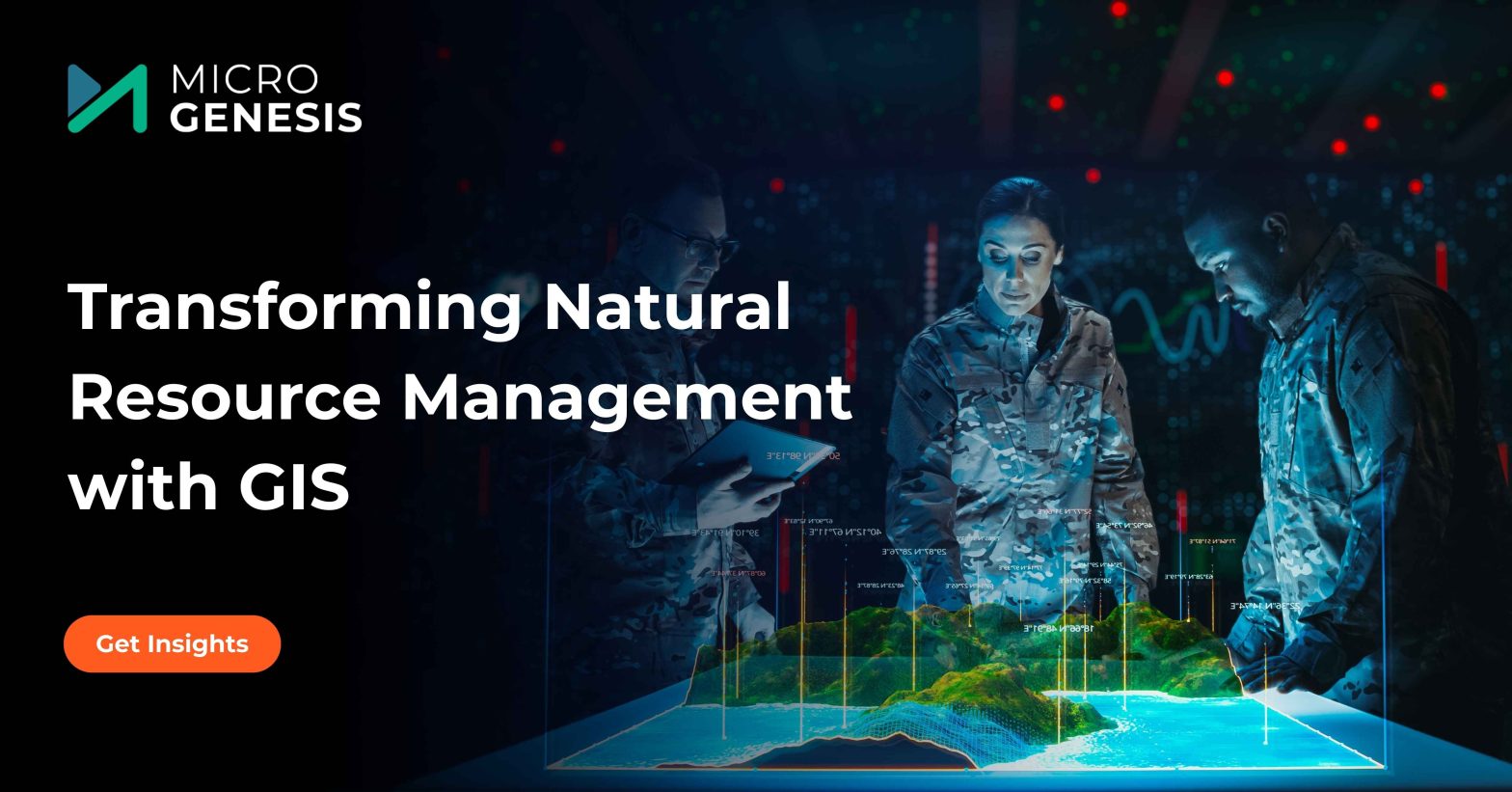
Natural resource management (NRM) is a multidisciplinary field aimed at sustainable management and conservation of natural resources such as water, land, forests, minerals, and biodiversity. Geographic Information Systems (GIS) have become indispensable tools in NRM due to their ability to capture, store, analyze, and visualize spatial data. GIS technology offers numerous applications in NRM, revolutionizing how resources are monitored, assessed, and managed. This article explores the diverse applications of GIS in natural resource management, highlighting its role in enhancing decision-making processes and promoting sustainable resource utilization.  Mapping and Inventory  GIS enables the creation of detailed maps and inventories of natural resources, facilitating comprehensive assessments of resource distribution and abundance. Through satellite imagery, aerial photographs, and ground-based data collection, GIS can accurately delineate boundaries, identify land cover types, and quantify resource stocks. For instance, GIS-based forest inventories provide valuable information on tree species, biomass, and forest health, aiding in sustainable forestry practices and conservation efforts.  Dig Deeper: The Role of GIS in Disaster Response and Recovery Efforts  Habitat and Biodiversity Conservation  GIS plays a crucial role in habitat and biodiversity conservation by modeling species distribution, identifying critical habitats, and assessing landscape connectivity. By integrating ecological data with spatial analysis techniques, GIS helps identify priority areas for conservation, establish wildlife corridors, and mitigate habitat fragmentation. Conservation organizations use GIS to monitor endangered species, track migration patterns, and assess the impact of human activities on biodiversity hotspots.  Water Resource Management  GIS applications in water resource management range from watershed delineation and hydrological modeling to water quality monitoring and flood risk assessment. GIS enables the integration of hydrological data such as rainfall, runoff, and soil permeability to simulate water flow patterns and predict potential flooding events. Additionally, GIS-based water quality mapping facilitates the identification of pollution sources, allocation of water resources, and development of strategies for watershed protection and restoration.  Land Use Planning and Agricultural Management  GIS technology supports land use planning and agricultural management by analyzing soil characteristics, assessing land suitability, and optimizing crop production. Farmers and land managers utilize GIS to make informed decisions regarding crop selection, irrigation scheduling, and fertilizer application. Furthermore, GIS-based land use planning helps minimize conflicts between agricultural expansion and conservation goals, promoting sustainable land use practices and preserving ecologically sensitive areas.  Natural Hazard Assessment and Mitigation  GIS is instrumental in natural hazard assessment and mitigation by analyzing vulnerability, identifying high-risk areas, and developing emergency response plans. GIS-based hazard mapping enables authorities to assess the potential impact of earthquakes, landslides, wildfires, and other natural disasters on human settlements and infrastructure. By integrating socio-economic data with hazard maps, GIS facilitates risk communication, evacuation planning, and disaster preparedness measures, ultimately reducing the loss of life and property.  Also Read: Harnessing IndiGIS Services to Tackle Climate Change: Monitoring, Mitigation, and Innovation  Forestry Management and Monitoring  In forestry management, GIS supports sustainable forest planning, monitoring, and enforcement of forestry regulations. GIS-based forest management systems integrate data on tree species, age classes, and forest health to optimize timber harvesting operations and biodiversity conservation. Furthermore, GIS enables real-time monitoring of deforestation, illegal logging activities, and forest fires through remote sensing and satellite imagery analysis, aiding in law enforcement and ecosystem protection efforts.  Conclusion: In conclusion, Geographic Information Systems (GIS) play a pivotal role in natural resource management, offering a suite of powerful tools for analysis, planning, and decision-making. From mapping and inventorying resources to assessing environmental impacts and guiding conservation efforts, GIS facilitates sustainable development and responsible stewardship of our planet’s natural resources.  MicroGenesis: MicroGenesis, a leader in GIS solutions, has launched its IndiGIS platform, designed to empower businesses with powerful tools for managing and analyzing spatial data. IndiGIS offers a comprehensive GIS software solution, providing a wide range of applications to enhance decision-making capabilities and drive greater efficiencies for our clients in natural resource management and beyond. With IndiGIS, businesses can unlock the full potential of GIS technology to address environmental challenges and contribute to a more sustainable future. 

Exploring the Role of GIS in Agriculture and Natural Resource Management 

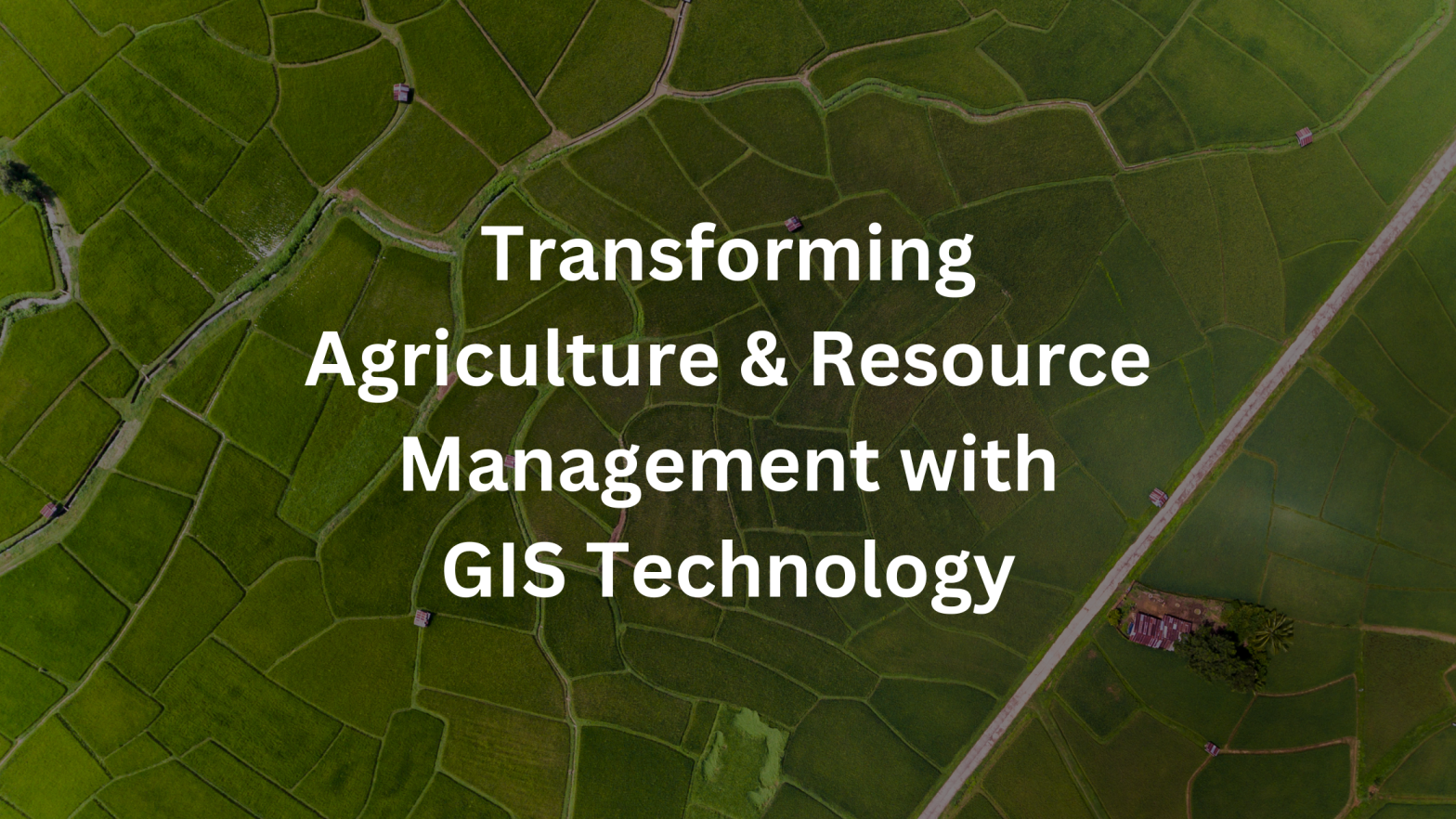
In recent years, Geographic Information Systems (GIS) have revolutionized the way agriculture and natural resources are managed. By integrating spatial data with advanced analytical tools, GIS technology offers invaluable insights that help optimize agricultural practices, preserve natural resources, and ensure sustainable land management. In this blog post, we’ll delve into the various applications of GIS in agriculture and natural resource management, highlighting its significance in addressing key challenges and driving innovation in these sectors.  1. Precision Agriculture: One of the most significant applications of GIS in agriculture is precision agriculture. By collecting and analyzing spatial data such as soil properties, weather conditions, and crop health, farmers can make informed decisions regarding planting, irrigation, fertilization, and pest control. GIS tools enable farmers to create detailed maps of their fields, identify areas with specific needs, and implement targeted interventions to maximize crop yields while minimizing resource inputs.  2. Crop Monitoring and Management: GIS technology facilitates real-time monitoring of crop health and growth using satellite imagery and remote sensing data. By analyzing vegetation indices and other indicators, farmers can detect anomalies, identify crop stressors, and take corrective actions promptly. GIS-based crop monitoring systems enable farmers to optimize inputs, detect diseases early, and implement precision agriculture practices tailored to specific crop requirements.  3. Soil Conservation and Management: GIS plays a crucial role in soil conservation and management by providing insights into soil erosion, moisture levels, and nutrient distribution. By mapping soil properties and erosion-prone areas, land managers can implement conservation practices such as contour farming, terracing, and buffer strips to mitigate soil erosion and preserve soil fertility. GIS tools also facilitate soil sampling and analysis, enabling farmers to make data-driven decisions regarding soil amendments and nutrient management.  Dig Deeper: Harnessing IndiGIS Services to Tackle Climate Change: Monitoring, Mitigation, and Innovation 4. Water Resource Management: Water is a precious resource in agriculture, and GIS technology helps optimize its use through efficient water resource management practices. By mapping watersheds, aquifers, and water sources, land managers can assess water availability, plan irrigation systems, and monitor water usage. GIS-based hydrological modeling allows for the simulation of water flow, rainfall runoff, and groundwater recharge, facilitating informed decision-making in water resource allocation and conservation efforts.  5. Biodiversity Conservation: GIS contributes to biodiversity conservation by providing tools for habitat mapping, species monitoring, and ecosystem assessment. Conservation organizations use GIS to identify critical habitats, monitor wildlife populations, and prioritize conservation areas based on ecological significance. By analyzing spatial data on land cover, vegetation types, and habitat connectivity, conservationists can develop effective strategies for preserving biodiversity and restoring degraded ecosystems.  6. Land Use Planning and Management: GIS is instrumental in land use planning and management, helping policymakers and land managers make informed decisions about land allocation and development. By analyzing land cover, land use patterns, and demographic data, planners can identify suitable locations for agriculture, urban development, and conservation areas. GIS-based land use planning facilitates sustainable development, minimizes land-use conflicts, and balances competing demands for land resources.  7. Disaster Risk Management: GIS technology supports disaster risk management efforts by providing tools for hazard mapping, vulnerability assessment, and emergency response planning. By analyzing spatial data on natural hazards such as floods, wildfires, and droughts, emergency responders can identify high-risk areas, develop evacuation plans, and coordinate disaster response operations. GIS-based risk mapping helps communities prepare for and mitigate the impacts of natural disasters, enhancing resilience and reducing vulnerability.  Also Read: How IndiGis Empowers Defense & Intelligence Conclusion: In conclusion, Geographic Information Systems (GIS) play a crucial role in agriculture and natural resource management by providing tools for precision agriculture, crop monitoring, soil conservation, water resource management, biodiversity conservation, land use planning, and disaster risk management. By harnessing the power of spatial data and advanced analytical tools, GIS technology empowers farmers, land managers, and policymakers to make informed decisions, optimize resource use, and ensure sustainable land management practices for future generations.  Unlock the Power of GIS Systems in Agriculture and Natural Resource Management with MicroGenesis-IndiGIS Technology. Our solutions harness the full potential of GIS technology to empower businesses across industries with spatial analysis, data visualization, and custom application development. With our experienced team, we ensure innovative solutions tailored to drive tangible business outcomes and gain a competitive edge. 

Harnessing GIS Services to Tackle Climate Change: Monitoring, Mitigation, and Innovation

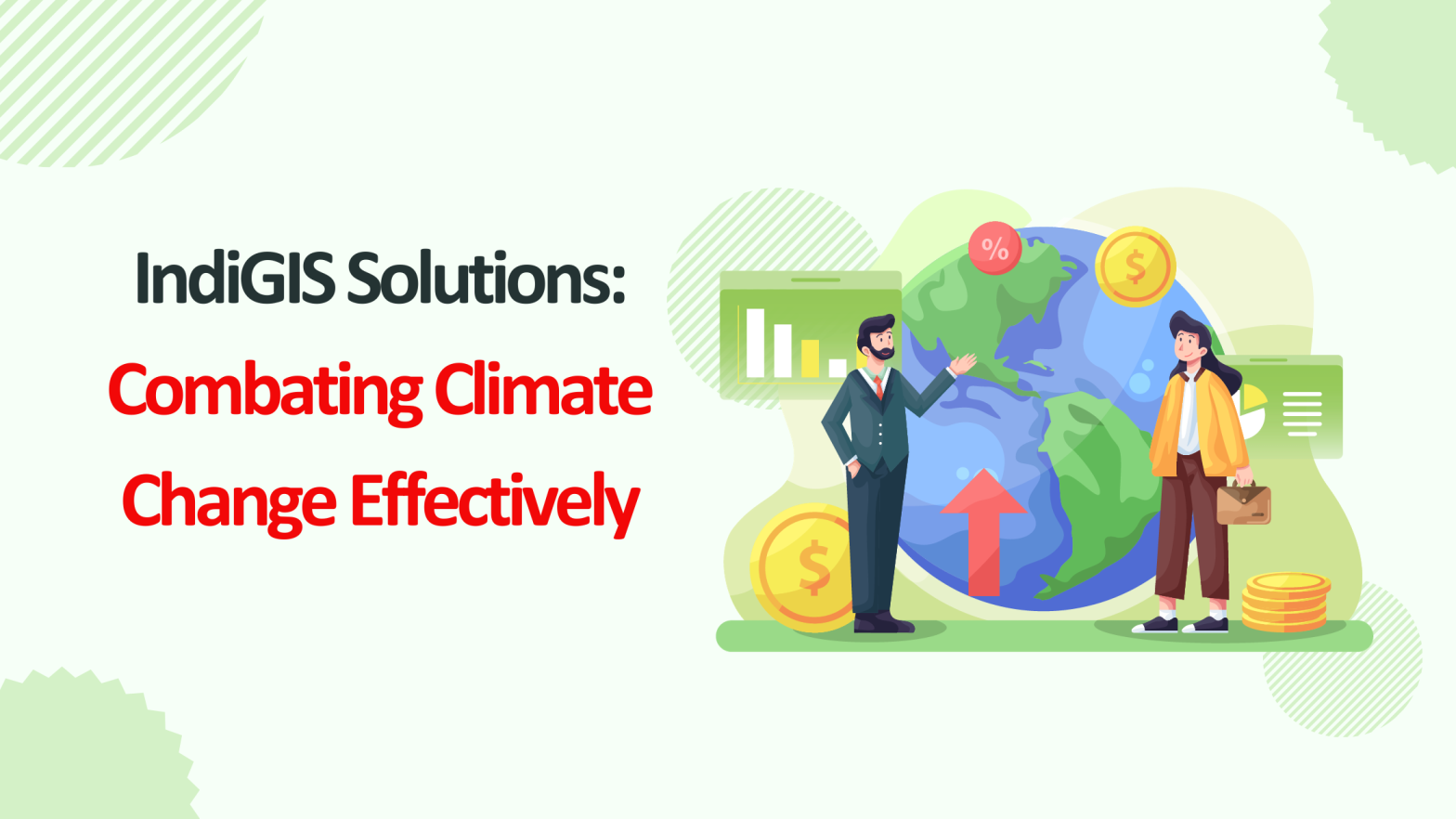
Climate change is an urgent global issue demanding advanced technological solutions for effective management and resolution. Geographic Information Systems (GIS) have emerged as indispensable tools in this endeavor, offering robust capabilities for monitoring environmental changes, implementing mitigation strategies, and fostering innovative solutions. With the ability to analyze spatial and temporal data, GIS equips stakeholders with actionable insights to combat climate challenges effectively. This comprehensive guide explores the pivotal role of GIS services in tackling climate change through monitoring, mitigation, and innovation, alongside their practical applications, benefits, and future trends. 1. GIS and Climate Change Monitoring: Understanding the Crisis Monitoring is the cornerstone of climate action. GIS integrates satellite imagery, remote sensing, and real-time data collection, creating a comprehensive picture of environmental changes over time. Applications of GIS in Monitoring Real-World Example The Amazon Conservation initiative employs GIS to monitor deforestation and illegal logging activities, supporting preservation and sustainable land management. 2. Mitigating Climate Change with GIS: A Strategic Approach Mitigation strategies aim to minimize the impacts of climate change by reducing greenhouse gas emissions and enhancing carbon sinks. GIS supports this by optimizing resource allocation and guiding sustainable practices. With advanced GIS mapping services, organizations can visualize data, identify key areas for intervention, and implement targeted mitigation efforts. These services empower decision-makers to adopt sustainable solutions that reduce emissions and strengthen environmental resilience. Applications of GIS in Mitigation Real-World Example Denmark leverages GIS to manage its renewable energy transition, identifying wind farm locations that maximize energy output while minimizing environmental impact. With the support of expert GIS consultancy services, countries and organizations can adopt similar strategies, using GIS to analyze data, optimize resource allocation, and implement sustainable energy solutions. GIS consultants provide tailored insights that drive effective planning and long-term success in renewable energy projects. 3. Driving Climate Adaptation with GIS Adapting to the effects of climate change is critical to safeguarding lives and livelihoods. GIS provides tools for risk assessment, disaster planning, and long-term resilience strategies. Applications of GIS in Adaptation Real-World Example The Netherlands uses GIS-driven adaptive planning to manage its flood defenses, combining traditional engineering with nature-based solutions. 4. Innovations in GIS Technology GIS is evolving rapidly, with innovations that enhance its effectiveness in climate action. Key GIS Innovations Real-World Example In Singapore, GIS and AI technologies collaborate to manage urban growth while reducing environmental impacts, creating a smart and sustainable city model. 5. Collaborative Efforts and Policy Support Using GIS Climate change demands coordinated efforts across multiple sectors. GIS fosters collaboration among governments, researchers, and organizations by providing a common platform for data sharing and decision-making. How GIS Supports Policy Real-World Example The United Nations Framework Convention on Climate Change (UNFCCC) uses GIS to monitor global progress on carbon reduction goals. 6. Challenges in Using GIS for Climate Action Despite its potential, GIS faces challenges that can limit its adoption and effectiveness. Key Challenges 7. Future Directions for GIS in Climate Action The future of GIS lies in its integration with emerging technologies and its expanding role in global climate strategies. Emerging Trends Conclusion GIS is a cornerstone in the fight against climate change, offering unparalleled capabilities for monitoring environmental changes, developing mitigation strategies, and driving adaptive innovations. By harnessing the power of GIS, stakeholders can create data-driven solutions that promote sustainability, resilience, and collaborative action. At MicroGenesis, a leading GIS consulting company, we empower organizations to leverage GIS for impactful climate action. From predicting floods to planning renewable energy projects, we provide tailored GIS solutions that address environmental challenges and drive sustainability. As technological advancements continue to expand GIS’s capabilities, MicroGenesis is here to help you stay ahead, enabling a proactive and unified global response to climate change.

How IndiGis Empowers Defense & Intelligence

Amidst the backdrop of dynamic security challenges and a constantly evolving technological terrain, IndiGis emerges as an indispensable asset, arming defense and intelligence agencies with cutting-edge geospatial solutions. Its role encompasses strategic mapping, real-time data integration, cross-border surveillance, and humanitarian assistance, all contributing to enhanced operational efficiency and security. In this blog post, we will investigate the various avenues through which IndiGis, confers a decisive edge to the defense and intelligence sectors.  1. Geospatial Intelligence (GEOINT):  IndiGis plays a pivotal role in the generation of Geospatial Intelligence (GEOINT). By integrating geographical data with other forms of intelligence, GEOINT helps military and intelligence agencies understand the physical environment in which they operate. This includes terrain analysis, mapping enemy positions, and monitoring potential threats.  2. Effective Resource Allocation:  Defense and intelligence agencies often operate under budgetary constraints. IndiGis assists in optimizing resource allocation by analyzing spatial data to identify critical areas that require attention. This can range from planning troop deployments to deciding where to establish surveillance infrastructure.  3. Real-time Situational Awareness:  In an ever-changing world, real-time situational awareness is paramount. IndiGis technology allows defense and intelligence agencies to monitor events as they unfold. This includes tracking troop movements, monitoring natural disasters, and assessing the impact of geopolitical developments.  4. Logistics and Supply Chain Management:  Logistics are the lifeblood of defense operations. IndiGis helps streamline the movement of personnel and equipment by identifying efficient routes, managing supply chains, and ensuring timely deliveries. This not only saves resources but also enhances operational readiness.  5. Border and Maritime Security:  Securing borders and coastlines is a complex task. IndiGis aids in border surveillance, detecting intrusions, and monitoring maritime traffic. It provides agencies with a comprehensive view of their territory, allowing them to respond swiftly to potential threats.  Also Read: Top Benefits of Geographic Information Systems (GIS) 6. Disaster Response and Recovery:  Natural disasters and humanitarian crises demand rapid response. IndiGis enables agencies to assess the impact of disasters, plan evacuation routes, and coordinate relief efforts. It plays a crucial role in saving lives and mitigating the aftermath of catastrophes.  7. Predictive Analysis:  IndiGis can be used for predictive analysis by modeling potential future scenarios. For example, it can simulate the effects of a military operation or predict the spread of a disease. This foresight is invaluable in strategic planning.  8. Collaboration and Information Sharing:  In the world of defense and intelligence, collaboration is essential. IndiGis facilitates information sharing among various agencies, both domestically and internationally. It helps create a common operational picture, fostering cooperation and coordination.  Conclusion:  In a rapidly evolving security landscape, IndiGis Solutions, offered by MicroGenesis, stands as a force multiplier for defense and intelligence agencies. Its ability to harness geospatial data, enhance situational awareness, and support informed decision-making makes it an indispensable tool. As technology continues to advance, the role of IndiGis in providing an edge to defense and intelligence will only become more prominent. Embracing IndiGis is not just a choice; it’s a necessity for staying ahead in the complex world of national security and intelligence. 

Top Benefits of Geographic Information Systems (GIS) 

In this dynamic era of rapid technological advancements, staying ahead of the competition is no longer a luxury; it’s a necessity. Businesses and organizations are navigating the data-driven landscape, seeking innovative tools that unlock hidden opportunities and optimize strategies. Enter Geographic Information Systems (GIS), a game-changing technology that promises to revolutionize the way you operate and elevate your success to unprecedented heights. As proud representatives of MicroGenesis, a renowned GIS solutions provider, let’s embark on a journey to uncover the top benefits of GIS and witness how it can transform your business landscape.  1. Enhanced Decision-Making:  One of the most significant advantages of GIS lies in its ability to visualize and analyze complex spatial data. By integrating data from various sources onto a single map, decision-makers gain valuable insights into relationships, patterns, and trends that would otherwise remain hidden. With GIS, you can make informed decisions, identify potential opportunities, and address challenges more efficiently.  2. Improved Planning and Resource Management:  GIS empowers organizations to optimize resource allocation and streamline workflows. For instance, urban planners can use GIS to design efficient transportation networks, healthcare providers can identify underserved areas, and environmental agencies can monitor natural resources and wildlife habitats. With GIS, you can create well-informed strategies for sustainable growth and resource management.  3. Effective Customer Engagement:  Incorporating GIS into customer engagement strategies can be a game-changer. By utilizing location-based data, businesses can better understand customer behavior, preferences, and needs. This, in turn, facilitates targeted marketing campaigns, personalized offers, and improved customer experiences. GIS-powered location intelligence enables businesses to deliver the right message to the right audience at the right time.  4. Precise Market Analysis:  For businesses seeking to expand their operations or open new branches, GIS offers invaluable market analysis capabilities. GIS tools can overlay demographic data, competitor locations, and consumer behavior patterns to identify untapped markets and potential growth areas. Understanding the geographical context helps companies make strategic decisions and minimize risks associated with expansion. 5. Efficient Asset Management:  GIS plays a vital role in managing physical assets efficiently. Whether it’s managing utility infrastructure, transportation networks, or public facilities, GIS can track, monitor, and maintain assets effectively. By integrating real-time data with GIS, organizations can improve asset performance, reduce downtime, and extend the lifecycle of critical infrastructure.  6. Disaster Preparedness and Response:  During times of crisis, GIS proves indispensable in disaster preparedness and response efforts. Emergency services can leverage GIS to analyze affected areas, plan evacuation routes, and coordinate relief operations. By visualizing real-time data, responders can prioritize resources where they are needed most, saving lives and minimizing damage.  Also Read: The Role of GIS in Disaster Response and Recovery Efforts  7. Enhanced Collaboration and Communication:  GIS promotes collaboration and communication across diverse teams and departments. By centralizing data on a shared platform, stakeholders can access up-to-date information, reducing miscommunication and duplication of efforts. GIS facilitates a unified approach to problem-solving and fosters a collaborative environment for innovation.  Conclusion:  The benefits of Geographic Information Systems (GIS) extend far beyond what is covered in this blog. As MicroGenesis, a trusted GIS solutions provider, continues to push the boundaries of spatial technology, organizations of all sizes can harness the power of GIS to drive innovation, optimize operations, and make data-driven decisions. Embrace the transformative potential of GIS and unlock new opportunities for your business to thrive in a dynamic world. 

The Role of GIS in Disaster Response and Recovery Efforts 

Disasters are a common occurrence in many parts of the world. From natural disasters like earthquakes, floods, and wildfires to man-made disasters like oil spills and industrial accidents, these events can cause significant damage to the environment and human life. The ability to respond quickly and effectively to these disasters is critical in mitigating their impact and helping affected communities recover. One tool that has become increasingly important in disaster response and recovery efforts is Geographic Information Systems (GIS).  At MicroGenesis, we specialize in providing indigenous IndiGIS solutions that help Defence Forces, Para Military Forces and governments organisation to make informed decisions and allocate resources effectively in disaster response and recovery efforts. Our team of experts has extensive experience in working with geospatial data and developing custom GIS solutions that meet the unique needs of each client.  Here are some of the ways in which MicroGenesis IndiGIS solutions can play a critical role in disaster response and recovery:  Disaster Preparedness: MicroGenesis IndiGIS  solutions can help organizations and governments prepare for potential emergencies by mapping out vulnerable areas and identifying potential risks. This information can be used to develop emergency plans that take into account the unique characteristics of each community.  Disaster Response: During a disaster, MicroGenesis IndiGIS solutions can help decision-makers understand the scope and scale of the event by collecting real-time data on the location and severity of the disaster. This information can be used to identify the most urgent needs and allocate resources effectively.  Resource Allocation: MicroGenesis IndiGIS solutions can help Defence Forces, Para Military Forces and governments organisation to allocate resources effectively by mapping out the location of emergency responders, equipment, and supplies. This information can help ensure that resources are being deployed to the areas that need them the most.  Damage Assessment: MicroGenesis IndiGIS solutions can help Defence Forces, Para Military Forces and governments organisation to assess the extent of the damage and prioritize recovery efforts by using satellite imagery and other remote sensing technologies. This information can be used to identify which areas need the most immediate attention and allocate resources accordingly.  Disaster Recovery: MicroGenesis IndiGIS solutions can help communities recover by mapping out the location of damaged infrastructure and buildings. This information can be used to identify which areas need to be rebuilt or repaired first, and to prioritize recovery efforts based on the needs of the affected population.  Resource Distribution: MicroGenesis IndiGIS solutions can help ensure that affected communities have access to the resources and support they need to rebuild by mapping out the location of temporary housing, food distribution centers, and other resources. This information can help ensure that these resources are being distributed fairly and efficiently.  Cross-Border Disaster Response: MicroGenesis IndiGIS solutions can facilitate cross-border disaster response efforts by helping organizations and governments coordinate their response efforts and share critical information. This can be particularly important in the case of large-scale disasters that affect multiple countries.  In conclusion, MicroGenesis IndiGIS solutions play a critical role in disaster response and recovery efforts. By providing decision-makers with real-time data and helping to allocate resources effectively, our solutions can help mitigate the impact of disasters and support affected communities as they work to rebuild.