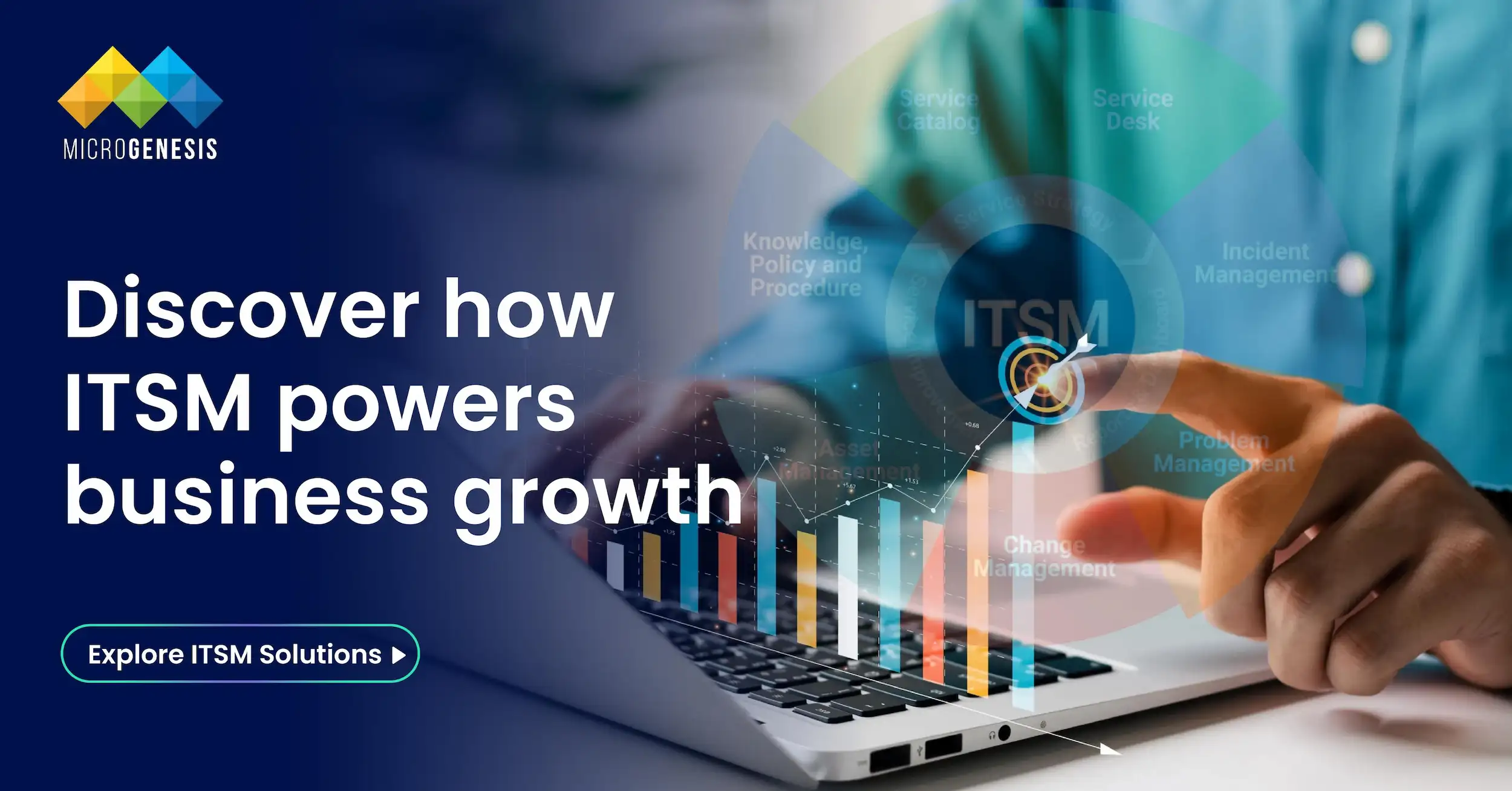
In today’s fast-paced digital economy, technology underpins nearly every aspect of business operations. For growing businesses, maintaining efficient and reliable IT services is critical to ensuring seamless operations, customer satisfaction, and long-term success. However, as IT environments become more complex, so do the challenges in managing them effectively. This is where IT Service Management (ITSM) becomes a game-changer.
ITSM is more than just a support function; it is a strategic approach that reduces downtime, optimizes performance, and drives cost efficiency. In this article, we will explore how ITSM can significantly reduce downtime and save costs for growing businesses.
What is IT Service Management (ITSM)?
ITSM refers to the comprehensive set of policies, processes, and tools that organizations use to design, deliver, manage, and improve IT services. It aligns IT services with business needs, ensuring that technology supports and enhances business objectives.
Engaging in professional ITSM consulting helps organizations assess their current IT maturity, identify process gaps, and implement best practices aligned with frameworks like ITIL. With expert guidance from consultants like MicroGenesis, businesses can streamline IT operations, enhance service delivery, and ensure long-term scalability and compliance.
Common ITSM frameworks include ITIL (Information Technology Infrastructure Library), COBIT, and ISO/IEC 20000. Among these, ITIL is the most widely adopted framework, providing best practices for IT service delivery and management.
The Hidden Costs of IT Downtime
Downtime can have a devastating impact on growing businesses. From lost productivity to diminished customer trust, the costs can quickly add up:
Financial Losses: Revenue-generating systems being down can halt sales and transactions.
Employee Productivity: Employees cannot perform their tasks efficiently without reliable IT systems.
Customer Dissatisfaction: Unreliable services frustrate customers and may push them to competitors.
Reputation Damage: Frequent outages or slow response times can harm your brand image.
Regulatory Penalties: Some industries face compliance requirements, and downtime can lead to non-compliance.
A report by Gartner estimates that IT downtime costs organizations an average of $5,600 per minute, highlighting the critical need for efficient IT management.
How ITSM Reduces Downtime for Growing Businesses
Proactive Monitoring and Incident Management
ITSM frameworks emphasize proactive monitoring and robust incident management processes. Through automated monitoring tools, potential issues are identified before they escalate into major outages. When incidents do occur, structured processes ensure quick resolution, minimizing disruption and maintaining service continuity.
Engaging with a trusted IT Service Management consulting partner like MicroGenesis ensures these frameworks are effectively tailored and implemented to suit your organization’s unique infrastructure. With expert consulting, businesses can strengthen their incident response strategies, optimize monitoring, and achieve higher IT service reliability.
Change Management to Prevent Service Disruption
Uncontrolled changes are a major cause of downtime. ITSM enforces strict change management protocols to assess the impact of updates, patches, or infrastructure changes. By minimizing the risks associated with changes, businesses experience fewer disruptions.
Problem Management for Root Cause Elimination
Beyond resolving immediate issues, ITSM focuses on identifying and eliminating root causes of recurring problems. This proactive approach prevents similar incidents from happening in the future, reducing overall downtime.
Service Continuity and Disaster Recovery
ITSM frameworks incorporate service continuity planning and disaster recovery strategies. These plans ensure that critical systems can be restored quickly after unexpected outages, minimizing downtime and operational impact.
Knowledge Management for Faster Resolutions
ITSM promotes building and maintaining a knowledge base of known issues and resolutions. This resource empowers IT teams to resolve problems more quickly, reducing downtime duration.
Service Request Management
Efficient handling of service requests through automated workflows ensures employees receive timely IT support, preventing minor issues from escalating and impacting productivity.
ITSM ensures resources are allocated efficiently based on business priorities. By reducing reactive firefighting and focusing on strategic service delivery, businesses avoid unnecessary expenses.
Reduced Incident and Outage Frequency
Fewer outages mean reduced lost productivity, less need for expensive emergency fixes, and lower revenue losses.
Improved Vendor Management
ITSM provides clear processes for managing third-party vendors and service providers. This ensures better service quality, negotiated costs, and accountability.
Predictable IT Costs through Service Level Agreements (SLAs)
With SLAs in place, businesses have predictable IT service costs and clearer expectations, avoiding unforeseen expenses.
Automation Reduces Manual Effort
Modern ITSM tools leverage automation for routine tasks, reducing labor costs and improving efficiency.
Better Asset and License Management
ITSM processes track IT assets and software licenses, reducing wastage, ensuring compliance, and avoiding costly penalties.
Reduced Training and Onboarding Costs
With standardized processes and knowledge management, training new employees becomes more efficient, lowering onboarding costs.
Minimized Compliance Fines
ITSM frameworks often include compliance monitoring, reducing the risk of regulatory breaches and associated penalties.
Real-World Example: ITSM in Action
Consider a growing e-commerce business that struggled with frequent website outages and slow customer support responses. By implementing an ITSM solution based on ITIL best practices:
They reduced unplanned downtime by 60% through proactive monitoring.
Implemented change management reduced service disruptions during software updates.
A knowledge base enabled faster resolution of common issues.
Predictable IT service costs were established through vendor SLAs.
Automation reduced support response times by 40%.
Compliance requirements were met efficiently.
The result was increased customer satisfaction, higher revenue, reduced operational costs, and improved business resilience.
Choosing the Right ITSM Solution for Your Business
For growing businesses, selecting the right ITSM tools and frameworks is critical. Factors to consider include:
Scalability to accommodate business growth.
Integration capabilities with existing systems.
Automation features to improve efficiency.
User-friendly interface for quick adoption.
Compliance with industry standards and regulations.
Reporting and analytics for performance tracking.
Popular ITSM tools include ServiceNow, BMC Helix, Freshservice, ManageEngine ServiceDesk Plus, and Jira Service Management.
The Role of ITSM in Supporting Business Growth
Beyond reducing downtime and saving costs, ITSM plays a pivotal role in enabling scalable growth:
Supports digital transformation initiatives.
Improves employee satisfaction through reliable IT support.
Enhances customer experience by ensuring service availability.
Facilitates compliance as the business expands.
Provides data-driven insights for better IT decision-making.
Conclusion
Downtime and inefficient IT operations can cripple a growing business. By adopting a robust IT Service Management (ITSM) approach—leveraging leading ITSM vendors like ServiceNow, Atlassian (Jira Service Management), and BMC—organizations can reduce downtime, save costs, and position themselves for scalable, reliable growth.
Partnering with a trusted IT solution company like MicroGenesis ensures expert guidance in selecting, customizing, and implementing the right ITSM tools tailored to your business needs. As an experienced ITSM implementation partner, MicroGenesis helps streamline operations, improve service delivery, and align IT with business goals.
Investing in ITSM is not merely a technical decision—it’s a strategic move that drives efficiency, customer satisfaction, and long-term profitability.
If your business is ready to take IT operations to the next level and minimize costly disruptions, exploring ITSM solutions with MicroGenesis is the first step toward a more resilient, cost-effective future.
Looking to reduce downtime and IT costs? Contact our ITSM experts today for a personalized consultation and discover how we can help your business thrive.
In today’s dynamic business environment, organizations must adopt the right service models to optimize operations, enhance customer satisfaction, and drive profitability. Among the most common approaches are Service-Based, Customer-Based, and Multi-Level models, each offering unique benefits and challenges.
In this blog, we’ll explore these models, compare their key differences, and help you determine which is the best fit for your organization.
1. Understanding the Three Business Models
Service-Based Model: Delivering Value Through Services
A service-based model focuses on delivering specific services to a broad customer base, often with standardized pricing and service offerings. This model is common in IT, SaaS (Software as a Service), consulting, and managed service industries.
✅ Key Characteristics:
Services are designed to meet general market needs rather than being tailored for specific customers.
Often includes subscription-based pricing or pay-per-use structures.
Scalability is high as the same service can be delivered to multiple customers.
🔹 Examples:
Cloud computing services (e.g., AWS, Google Cloud, Microsoft Azure).
Digital marketing agencies offering standardized SEO or content marketing packages.
Customer-Based Model: Tailoring Services for Specific Clients
A customer-based model is a highly personalized approach where businesses customize their services for individual clients. This model is prevalent in B2B relationships, professional services, and industries requiring deep customer engagement.
✅ Key Characteristics:
Services are custom-built based on client needs and specifications.
Close collaboration with customers to define requirements and deliver unique solutions.
Higher costs due to increased customization and resource allocation.
🔹 Examples:
Enterprise software solutions tailored for different industries.
Custom IT consulting and software development firms.
High-end design and architectural firms working on client-specific projects.
Multi-Level Model: Expanding Through Tiered Service Offerings
The multi-level model involves structured service offerings that cater to different customer segments through tiered pricing or multi-level sales structures. This model is commonly seen in SaaS, IT service providers, and even direct-selling businesses.
✅ Key Characteristics:
Service offerings are divided into different levels, providing increasing value at higher tiers.
Can be used for subscription-based services with different pricing tiers (e.g., Basic, Premium, Enterprise).
Sometimes involves network-based selling, such as affiliate marketing or multi-level marketing (MLM).
🔹 Examples:
SaaS providers (e.g., Atlassian’s Free, Standard, Premium, and Enterprise plans).
Telecom providers offering different plans with varying features.
Multi-Level Marketing (MLM) companies like Amway or Herbalife, where sellers earn commissions at multiple levels.
2. Key Differences: Service-Based vs. Customer-Based vs. Multi-Level
4. How Atlassian Uses These Models in IT Service Management
Atlassian’s ITSM tools, particularly Jira Service Management, incorporate elements from all three models:
✔ Service-Based: Standard ITSM features like request management, incident handling, and problem management serve multiple customers.
✔ Customer-Based: Organizations can customize workflows, automation, and integrations to align with unique business needs.
✔ Multi-Level: Atlassian offers tiered pricing plans (Free, Standard, Premium, Enterprise) to fit businesses of all sizes.
By blending these models, Atlassian ensures scalability, flexibility, and efficiency for businesses of all types.
Conclusion: The Future of Service Models
In today’s competitive landscape, choosing the right service model is crucial for business growth. Whether you adopt a service-based, customer-based, or multi-level model, success depends on delivering value, maintaining efficiency, and ensuring customer satisfaction.
💡 Key Takeaways: ✔ Service-Based models drive scalability and cost-efficiency. ✔ Customer-Based models ensure deeper client engagement and personalization. ✔ Multi-Level models help businesses offer flexibility and structured pricing.
As businesses evolve, many companies are adopting hybrid models, combining elements from all three to maximize revenue and operational efficiency.
If you’re looking for tools to manage and optimize your workflows, consider Jira Service Management, which blends these models to offer scalable ITSM solutions tailored to your needs. 🚀
Choosing the right business model—Service-Based, Customer-Based, or Multi-Level—depends on your organization’s goals, industry, and customer needs. Each model offers unique advantages and challenges, impacting scalability, revenue generation, and customer relationships. At MicroGenesis, a leading Best IT Company, we provide expert IT Service Management Consulting to help businesses implement the right strategies for growth and efficiency. Whether you need standardized service offerings, personalized customer engagement, or a multi-tiered business structure, our expertise ensures a seamless approach to success
Imagine a company where IT services run without a hitch, with virtually no downtime and satisfied users. That’s what happens when you follow IT service management (ITSM) best practices.
In 2023, one of Infosys’ clients improved their ITSM processes, resulting in a 25% increase in customer satisfaction — such achievements are not accidental but rather the outcome of correct actions.
So what differentiates these companies that have achieved success?
It is their attitude towards ITSM that sets them apart from others.
Now you may be wondering, what exactly are these practices and how can they make my year in 2024 better? Keep reading to know the must-have ITSMbest practices for 2024.
Start with a Thorough Check-Up
When it comes to IT service management best practices, the first thing that needs doing is conducting an all-encompassing check-up similar to visiting a doctor before starting any treatment plan.
A thorough evaluation helps you spot hidden issues that could worsen if ignored. It gives you a clear picture of your current situation and highlights any need for updates, like fixing outdated software.
Why Being Open to Change is Key
In ITSM services, being open to change isn’t just useful — it’s necessary. Technology is always changing, and what works today might not work tomorrow. So, how do you stay on top? By being flexible and ready to change your ITSM principles.
Look at CERN in Europe. They have over 2,500 staff and 18,000 scientists who use their services. CERN initially had separate service desks that didn’t work well together, causing confusion. They simplified things by using ITIL and ITSM tools to create one unified system.
Now, users have one place for all needs, making it easier for both users and support staff. Management can also monitor everything better, leading to smoother operations.
Wondering what ITSM is all about? Our detailed guide on IT service management will help you out.
Keeping your business safe from cyber threats is a top priority. The risks are growing and becoming more advanced.
Here are few key threats to watch out for:
Ransomware Attacks: These are on the rise. A recent report showed that nearly 64% of Indian businesses were hit by ransomware in 2023. In these attacks, hackers lock your systems and demand money to unlock them. This can cause big disruptions and cost you a lot of money.
Phishing Scams: These scams are another major threat. India saw over 79 million phishing attacks in 2023. Phishing emails trick your employees into giving away sensitive information.
To protect against these dangers, you need strong IT service management processes.
Use AI to Ease the Workload — But Don’t Forget the Human Touch
AI is transforming IT service management solutions by automating tasks, predicting issues, and providing valuable insights. However, balancing AI with human oversight remains essential to uphold service management best practices and ensure optimal outcomes.
Here’s a quick look at how AI can help and where humans are still needed:
Task
How AI Helps
Where Human Input is Key
Automating Routine Tasks
AI handles repetitive jobs like sorting tickets.
Humans need to supervise and adjust AI systems.
Predictive Maintenance
AI predicts equipment failures in advance.
Humans decide on actions based on these predictions.
Incident Response
AI can quickly manage minor incidents.
Complex issues still need human problem-solving skills.
Make It Easier for Users to Help Themselves
One way to improve IT service management is to empower users to solve their own problems, reducing the IT team’s workload and accelerating resolutions. With expert IT service management consulting, organizations can implement self-service solutions that enhance efficiency and improve user satisfaction.
To do this, create a simple self-service portal with FAQs and guides for common issues, like password resets. The easier it is to use, the more people will use it.
You can also use chatbots for basic troubleshooting. These bots handle simple questions, freeing up your IT team to focus on more important tasks.
But don’t forget, you need to keep the portal updated and make sure everything is easy to find. This is a key part of good IT service management methodologies. When users can help themselves, everyone benefits.
Think About the Environment Too
It’s important to think about the environment, even in IT service management. So, how can you make your IT service management principles and practices more eco-friendly?
First, check if your servers are energy-efficient. Greener hardware and virtual servers can lower energy use and cooling needs.
Next, ensure you recycle old IT equipment safely with e-waste recyclers.
Finally, consider cloud-based software to reduce physical infrastructure and improve flexibility.
Good IT service management isn’t something one person can do alone. It needs everyone’s input. So, how do you get everyone involved?
Start with clear communication: Make sure everyone understands why ITSM matters.
Train your team: Give them the tools and knowledge they need to succeed.
Encourage feedback: Let people share their thoughts and ideas about ITSM.
Set clear goals: Everyone should know what the ITSM goals are.
Final Thoughts
Good IT service management (ITSM) needs a solid plan, everyone’s involvement, and a focus on what works. Whether it’s helping users solve their own problems, thinking about the environment, or getting everyone on board, these best practices can make a big difference.
Don’t wait to improve your ITSM strategy. Reach out to MicroGenesis for a demo. As an ITSM consultant and provider of software development services, we’ll show you the best IT service management examples to help your business succeed.
Think about an office where everything runs smoothly. Every computer, software, and piece of equipment is tracked. Nothing is lost, and everything is where it should be. This is what IT Asset Management (ITAM) does for a business. It’s about getting the most out of what you have.
With technology being so important for businesses, having a good ITAM strategy is crucial. Without it, you could end up wasting money, time, and resources. In fact, companies that manage their assets well can save up to 10% to 20% on IT costs. That’s a lot of money that could be used for something else.
But ITAM is also about reducing risks. And considering that a data breach in India can cost a company around ₹17.6 crore, it’s easy to see why ITAM is so important.
So, what exactly is IT Asset Management, and why does it matter for your business? And how can the right asset management software make a difference? Keep reading to find out.
What is IT Asset Management (ITAM)?
A good IT asset management system helps you use your technology wisely, cutting down on waste and keeping costs low. It makes sure you’re following the rules by keeping software licences up to date. ITAM saves money, reduces risks, and keeps your business running smoothly.
Why is ITAM More Than Just an Inventory Checklist?
IT Asset Management is more than just listing what your business owns. It’s about getting the most out of each asset.
Here’s why it matters:
You use assets to their full potential, avoiding unnecessary purchases.
It helps you plan for future IT needs, making budgeting simpler.
It reduces the risk of data breaches by knowing who has access to what.
It makes software compliance easier, so you avoid fines.
It keeps your systems in good shape with regular maintenance.
It gives you insights into how well your assets are performing.
And with the right IT asset management tool, you can connect everything together for a complete view.
By seeing ITAM as a key part of your strategy, not just an inventory task, your business can find more value and stay ahead.
New to ITSM? Start with our in-depth guide to mastering IT service management.
The Key Benefits of Mastering IT Asset Management
Getting IT Asset Management (ITAM) right does more than just keep track of your company’s tech. Let’s take a closer look at the key benefits of mastering IT Asset Management.
Better Asset Visibility and Control
One major benefit of using a good IT asset management solution is that it gives you clear visibility and control over your assets. You’ll know exactly what you have, where it is, and how it’s being used. This means you won’t waste money buying things you don’t need.
Plus, it helps you make smarter decisions about upgrading or replacing equipment. So, with ITAM, you’re not just keeping track—you’re actively managing your assets to get the most value out of them.
ITAM also boosts your security and helps you stay compliant with regulations. In India, laws like the Information Technology Act, 2000, and rules around handling EU data under GDPR are important to follow. With good ITAM, you can keep track of where your software and data are stored, making sure you’re following these laws.
By knowing who has access to what, you reduce the risk of data breaches. ITAM makes sure your assets are secure and that you’re always playing by the rules.
Better Vendor Management
Finally, IT Asset Management helps you manage your vendors better. By tracking contracts, warranties, and service agreements, you can stay on top of your relationships with suppliers.
Using IT asset management services can help you negotiate better deals, avoid penalties, and make sure you’re getting the best support.
Here are a few more benefits:
Keep an eye on how well vendors are performing.
Make sure contracts are renewed on time.
Find ways to save money through better negotiations.
By managing your vendors well, ITAM ensures you get the best value and support for your business.
Implementing IT Asset Management (ITAM) can seem overwhelming, but it doesn’t have to be.
Here’s a quick guide to get you started:
Step
Action
Why It Matters
Set Clear Goals
Decide what you want to achieve with ITAM
Gives direction to your efforts
Choose the Right Software
Pick the best IT asset management softwares
Matches tools to your specific needs
Create a Process
Develop a clear asset management process
Ensures everyone knows what to do
Monitor and Improve
Review and tweak your enterprise IT asset management
Keeps your strategy effective and up-to-date
These steps will help you implement ITAM smoothly and start seeing benefits like better control and lower costs.
Final Thoughts
Getting IT Asset Management right is an ongoing effort. It’s not just about setting it up once; you need to keep refining your asset management strategy. Doing this will help your business save money, improve security, and run more smoothly. The key is to use the right tools, like enterprise asset management software, and to have a clear plan.
Partnering with top managed service providers and leveraging ITSM consulting can significantly enhance your IT asset management processes. These experts offer tailored solutions that streamline your operations and optimize asset utilization.
If you’re ready to get started or need help improving your current ITAM, reach out to MicroGenesis for a demo. We’ll guide you through the process, making sure you have everything you need to succeed.
Think about running your business with IT problems that just won’t go away. Frustrating, right? That’s where a good IT Service Management (ITSM) tool comes in. But with so many options, it’s easy to feel lost. Don’t worry, we’ve got you covered.
In 2023, India’s IT services sector grew fast, adding $245 billion to the economy. This growth means businesses need better IT tools to keep up.
Now, you might wonder, how do you pick the right tool? Keep reading to look at what makes the top ITSM tools of 2024 truly stand out. Whether it’s automating tasks or improving customer experience, choosing the right ITSM software tools can really make a difference.
Atlassian Jira Service Management
Atlassian Jira Service Management is a go-to choice for many IT teams, especially those who like things simple and efficient. It’s perfect for businesses of all sizes, whether you’re just starting out or you’re already big.
Features:
Custom Workflows: Set up workflows that fit your team’s needs.
Smart Automation: Cut down on manual tasks with automation.
Team Collaboration: Work smoothly with other Atlassian tools like Confluence.
Incident Management: Quickly manage and resolve IT incidents.
Asset Tracking: Keep track of your IT assets easily.
Pros:
Easy to Use: It’s simple and integrates well with other tools.
Flexible: Works for both small and large teams.
Great Interface: The design is clean and user-friendly.
Cons:
Takes Time: Some features might take a bit to learn.
Can Be Costly: The cost can add up with more users.
Pricing: Starts at USD 6.85 per agent per month for teams with more than 250 users.
Number of Agents
Price Per Month (USD)
16 – 100
16.55
101 – 250
11.05
251 – 500
6.85
If you’re just starting with ITSM, our guide is the ideal resource for mastering it.
ServiceNow ITSM is a strong contender when we talk about top ITSM tools. It’s built for large enterprises that need an all-inclusive IT management system.
Features:
All-in-One Platform: Manage IT services from a single place.
AI Insights: Get better results with AI-powered analytics.
Self-Service: Let users solve problems on their own with a self-service portal.
Automated Workflows: Save time by automating repetitive tasks.
Mobile Access: Manage IT on the go with the mobile app.
Pros:
Complete Package: Covers everything you need for IT management.
Highly Customisable: You can tweak it to fit your needs.
Strong Security: Keeps your data safe and compliant.
Cons:
Setup Takes Time: Getting started can be a bit complex.
Expensive: It’s on the pricey side, especially for smaller businesses.
Pricing: Starts at $10 per user per month for the basic package, going up to $100 for the full suite.
Package Edition
Pricing (per user per month)
Suitable For
Essentials
$10
Up to 500 employees
Standard
$25
Mid-sized businesses
Enterprise
$50
Large businesses
Premier
$100
Enterprises
BMC Helix ITSM
BMC Helix ITSM is often seen as one of the best service management tools for large companies. It’s a strong ITSM solution that offers much more than the basics.
Key Features:
AI Automation: Automate tasks with AI to improve efficiency.
Comprehensive Service Desk: Manage all IT issues in one place.
Multi-Cloud Management: Handle IT services across different cloud platforms.
Predictive Analytics: Use AI to spot problems before they occur.
Mobile Access: Manage IT services on the go with a mobile app.
Pros:
Full-Featured: Offers everything you need for IT service management.
Highly Customisable: Can be tailored to fit your business needs.
Enterprise-Grade: Perfect for large companies with complex IT setups.
Cons:
Complex Setup: Takes time to get started due to its many features.
Expensive: It’s on the pricier side.
Pricing: BMC Helix ITSM costs between £34.80 and £138.60 per server per year.
BMC Helix ITSM Pricing
Details
Trial Available
£34.80
Per server per year
Yes
£138.60
Per server per year
Yes
SysAid
SysAid is a solid ITSM tool that often flies under the radar. But it shouldn’t. It’s one of those ITSM automation tools that makes IT management easier and more efficient. If you need a tool that can handle everything from ticketing to asset management, SysAid could be the right choice for you.
Key Features:
Ticket Automation: Automatically route and track tickets to the right department.
Asset Management: Keep all your IT assets in one organised place.
Self-Service Portal: Let users solve common issues on their own.
Remote Control: Manage and fix devices remotely, saving time on support calls.
Integrated Help Desk: Bring all your IT support channels together in one hub.
Pros:
Easy to Use: The interface is simple, so it’s easy to get started.
Affordable: Offers a lot of features for a reasonable price.
Strong Automation: Cuts down on manual tasks and boosts productivity.
Cons:
Limited Customisation: You might find the customisation options a bit restrictive.
Basic Reporting: The reporting features could be better.
Pricing: SysAid starts at £79 per user per month.
No Free Plan: Available
Subscription: Yes, with various options.
Free Trial: Yes, you can try it out before you commit.
Picking the right ITSM tool is key for your business. But you don’t have to figure this out on your own. At MicroGenesis, we understand that choosing an ITSM tool can feel overwhelming. That’s why we’re here to help.
As one of the top managed service providers, MicroGenesis specializes in ITSM services that streamline your IT operations and enhance service delivery. If you’re not sure which ITSM tool is right for you, reach out to us for a demo. We’ll guide you through the options, helping you make a choice that truly suits your business needs.
You’re managing an IT team, and you’ve just rolled out a new system. As everyone gets used to it, an unexpected thing happens. AI in ITSM systems starts making smart suggestions. It points out ways to streamline processes and even predicts issues before they happen. Sounds impressive, right?
AI in ITSM is changing how businesses handle IT every day. Globally, companies invested over $154 billion in AI-centric systems in 2023. This shows a big move towards smarter, more efficient IT management.
But, does it really work as well as people say? And more importantly, can it help future-proof your IT strategy? Keep reading to find out how you can make the most of it.
The Benefits of AI in ITSM
AI is making a big difference in IT Service Management (ITSM). By adding AI, companies can make processes smoother, improve decision-making, and give users a better experience. As an ITSM consultant, MicroGenesis helps organizations integrate AI into their ITSM systems, ensuring enhanced efficiency and a superior user experience.
Let’s look at some key benefits of using AI–enabledITSM.
AI-driven Automation
AI-driven automation is changing the way IT services work. It takes care of repetitive tasks, like resetting passwords or updating software, so IT teams can focus on more important stuff. This also reduces mistakes, making everything run more smoothly.
For example, AI can watch systems all the time, spotting problems before they get worse. It can even fix some issues on its own or alert the right people if needed. This proactive approach keeps things running without much downtime, which is crucial for any business.
Improved Decision-Making with Predictive Analytics
AI helps improve decision-making by using predictive analytics. It looks at lots of data to find patterns that people might miss. This leads to better decisions and smarter IT management.
Here’s how AI helps with decision-making:
Spotting Problems Early: AI can predict when systems might fail or face security risks, so teams can act quickly.
Using Resources Wisely: AI studies usage patterns and suggests how to use resources more efficiently, saving time and money.
Boosting Performance: AI finds ways to improve processes, helping systems run better and faster.
These benefits make IT operations smoother, helping companies stay on top of their game.
AI is also transforming user experience in IT service management. For instance, Atera has integrated AI into its IT systems with tools like AI-powered ticketing to handle user requests. The system rapidly analyzes and categorizes these requests, often resolving them autonomously without human intervention. With the support of IT service management consulting, organizations can implement AI-driven tools that enhance efficiency, improve user satisfaction, and optimize support processes.
Ready to explore ITSM? Begin with our complete guide on IT service management.
Challenges in Implementing AI in ITSM
Companies often face ITSM challenges with data quality and ethical concerns. Let’s break down these challenges to understand them better.
Data Dependency and Quality Concerns
AI needs good data to work well. If the data isn’t up to scratch, the AI system might make wrong decisions or give poor advice. This is one of the major ITSM challenges companies face. A good example of this is what happened with TSB in 2018. They tried to move 1.3 billion customer records from an old system managed by Lloyds, their former parent company, to a new system under their current owner, Sabadell.
Things didn’t go as planned. Many customers couldn’t access their accounts, and some even saw private information that wasn’t theirs. This incident shows how crucial it is to manage data properly, especially when making big changes. It’s a reminder that without good data, even the best AI systems can fail.
Ethical and Regulatory Challenges
AI also raises ethical and regulatory questions, especially around data privacy. With strict rules like GDPR in Europe and new data laws in India, companies need to be careful about how they handle personal information.
India has recently introduced the Digital Personal Data Protection Act, 2023 to better protect personal data and ensure privacy. This new law brings important changes for companies, especially those using AI ITSM implementation to manage their services better.
The law requires clear consent from individuals before their data is collected or used. People now have the right to know what data is being collected about them, and they can ask for it to be corrected or deleted. Plus, they can withdraw their consent at any time.
Final Thoughts
As technology advances, the role of AI in ITSM will continue to expand. The key is staying ahead, ensuring systems are efficient and compliant with evolving regulations. With the right ITSM consulting services, your business can seamlessly integrate ITSM, helping you adapt to changes, optimize processes, and thrive in a tech-driven landscape.
If you’re looking to boost your IT services with AI, it’s worth exploring advanced ITSM software solutions. As a leading digital transformation company offering ITSM services, As Atlassian Partners, MicroGenesis is here to help. Need some guidance? Reach out to us for a demo. We’ll guide you every step of the way. So, are you ready to see how AI can transform your ITSM?