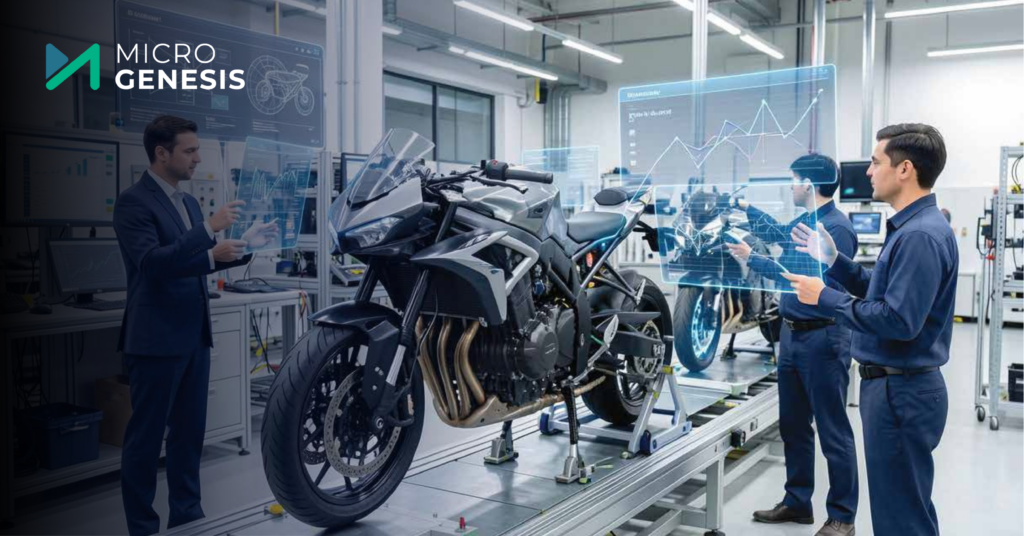

The automotive industry is undergoing one of the most significant transformations in its history. Modern vehicles are no longer mechanical products with software components—they are increasingly software-defined systems. Features such as Advanced Driver Assistance Systems (ADAS), autonomous driving, battery management, over-the-air updates, infotainment systems, cybersecurity controls, and connected services are all driven by complex software architectures.
As software complexity increases, so does the pressure to comply with industry standards such as:
- Automotive SPICE (ASPICE)
- ISO 26262 Functional Safety
- ISO/SAE 21434 Cybersecurity
- UNECE R155 & R156
- OEM-specific engineering requirements
In this environment, selecting the right Application Lifecycle Management (ALM) platform becomes a strategic decision that impacts compliance, engineering productivity, traceability, quality, and audit readiness.
Two platforms frequently dominate discussions in automotive engineering organizations:
- PTC Codebeamer
- Atlassian Jira
Both are widely used. Both support software development workflows. However, when evaluated against ASPICE requirements and automotive engineering needs, their strengths differ significantly.
This article provides a deep comparison of Codebeamer and Jira specifically for automotive software teams, examining requirements management, traceability, compliance, functional safety, Agile execution, reporting, and overall ASPICE alignment.
Why ASPICE Matters More Than Ever
Automotive SPICE (ASPICE) has become the global benchmark for software development process maturity within the automotive industry.
Most OEMs and Tier-1 suppliers require ASPICE assessments as part of supplier qualification and project evaluations.
ASPICE focuses on:
- Requirements Engineering
- Systems Engineering
- Software Engineering
- Verification & Validation
- Change Management
- Configuration Management
- Quality Assurance
- Traceability
Unlike Agile frameworks that focus on delivery efficiency, ASPICE focuses on demonstrating repeatable, auditable, and measurable engineering processes.
Organizations must provide evidence that requirements, tests, defects, and changes are connected throughout the lifecycle.
For teams building safety-critical automotive systems, understanding the relationship between ISO 26262 and ASPICE compliance is essential.
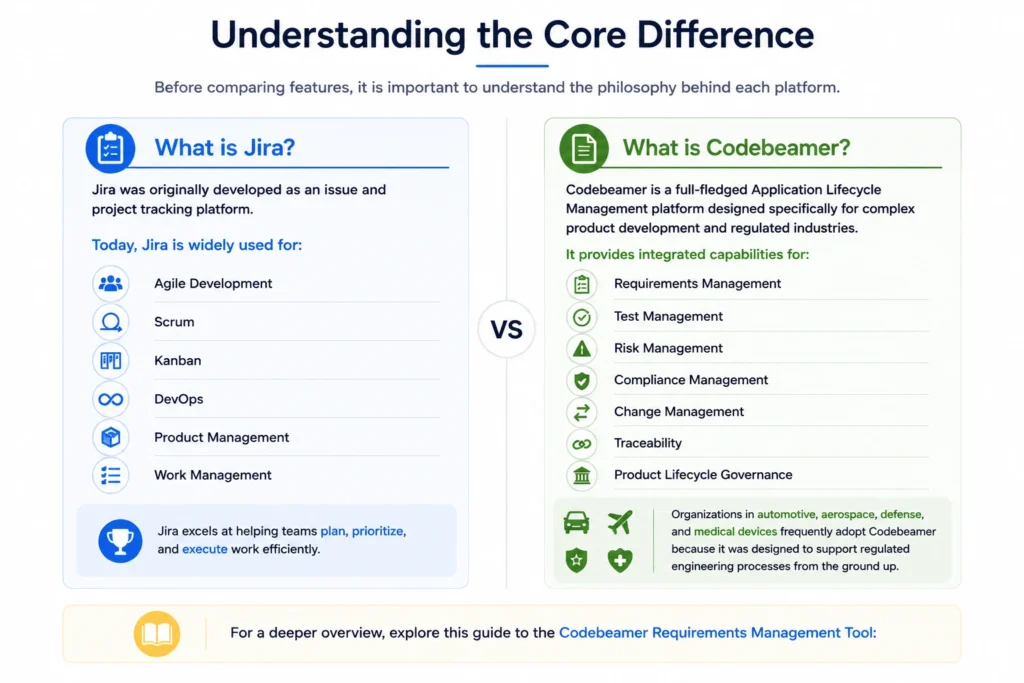
Before comparing features, it is important to understand the philosophy behind each platform.
What is Jira?
Jira was originally developed as an issue and project tracking platform.
Today, Jira is widely used for:
- Agile Development
- Scrum
- Kanban
- DevOps
- Product Management
- Work Management
Jira excels at helping teams plan, prioritize, and execute work efficiently.
What is Codebeamer?
Codebeamer is a full-fledged Application Lifecycle Management platform designed specifically for complex product development and regulated industries.
It provides integrated capabilities for:
- Requirements Management
- Test Management
- Risk Management
- Compliance Management
- Change Management
- Traceability
- Product Lifecycle Governance
Organizations in automotive, aerospace, defense, and medical devices frequently adopt Codebeamer because it was designed to support regulated engineering processes from the ground up.
For a deeper overview, explore this guide to the Codebeamer Requirements Management Tool
Codebeamer vs Jira: Quick Comparison
| Capability | Codebeamer | Jira |
| Primary Focus | ALM for regulated product development | Agile work management |
| ASPICE Support | Native | Requires customization |
| ISO 26262 Alignment | Strong | Moderate |
| Requirements Management | Advanced | Basic to Moderate |
| Traceability | Native | Requires plugins |
| Test Management | Built-in | Third-party apps |
| Risk Management | Built-in | Plugin dependent |
| Compliance Reporting | Native | Custom setup |
| Agile Boards | Good | Excellent |
| Sprint Planning | Good | Excellent |
| User Adoption | Moderate learning curve | Easy |
| Automotive Readiness | Excellent | Moderate |
| Best For | Automotive, Aerospace, Medical Devices | Agile software teams |
ASPICE Requirement #1: End-to-End Traceability
Traceability is one of the most important aspects of ASPICE.
Organizations must demonstrate relationships between:
- Customer Requirements
- System Requirements
- Software Requirements
- Design Elements
- Test Cases
- Defects
- Change Requests
- Releases
Jira Approach
Jira can support traceability through:
- Epics
- Stories
- Custom issue types
- Marketplace plugins
- Manual relationship definitions
However, complete lifecycle traceability often requires significant customization and governance.
Codebeamer Approach
Codebeamer provides traceability as a core platform capability.
Relationships are automatically maintained across:
- Requirements
- Risks
- Tests
- Defects
- Changes
- Releases
Impact analysis and traceability reports are available out of the box.
Winner: 🏆 Codebeamer
ASPICE Capability Comparison
| ASPICE Process Area | Codebeamer | Jira |
| SYS.2 System Requirements Analysis | Native support | Customization required |
| SYS.3 System Architectural Design | Strong integration | Limited |
| SWE.1 Software Requirements Analysis | Native | Plugin dependent |
| SWE.2 Software Architecture Design | Strong | Limited |
| SWE.3 Software Detailed Design | Supported | Supported |
| SWE.4 Unit Verification | Native traceability | Requires integrations |
| SWE.5 Integration Testing | Built-in | Plugin dependent |
| SWE.6 Qualification Testing | Native reporting | Custom setup |
| SUP.1 Quality Assurance | Built-in | Process dependent |
| SUP.8 Configuration Management | Native baselines | Custom workflows |
| SUP.10 Change Management | Native | Strong workflow support |
| Traceability Compliance | Excellent | Moderate |
ASPICE Winner
🏆 Codebeamer
Requirements Management: The Foundation of Compliance
Requirements management sits at the center of ASPICE and ISO 26262.
Organizations must demonstrate:
- Requirement creation
- Reviews
- Approvals
- Version control
- Baselines
- Change management
- Verification
Jira Requirements Management
Jira supports requirements through:
- Epics
- Stories
- Custom issue types
While workable, advanced requirements engineering often requires third-party applications.
Codebeamer Requirements Management
Codebeamer was designed specifically for requirements-driven development.
Features include:
- Requirement baselines
- Formal reviews
- Electronic approvals
- Impact analysis
- Version management
- Requirement reuse
This is one reason automotive organizations frequently choose Codebeamer for regulated engineering programs.
Requirements Management Comparison
| Feature | Codebeamer | Jira |
| Requirement Baselines | Yes | No (native) |
| Requirement Reviews | Native | Add-ons required |
| Electronic Sign-Offs | Yes | Limited |
| Impact Analysis | Native | Plugin dependent |
| Requirement Traceability | End-to-end | Requires setup |
| Variant Management | Supported | Limited |
| Reuse Libraries | Advanced | Basic |
| Compliance Documentation | Automated | Manual effort |
| Requirement Versioning | Native | Limited |
| ASPICE Readiness | Excellent | Moderate |
Winner: 🏆 Codebeamer
ISO 26262 Functional Safety Support
Functional safety projects require:
- Hazard Analysis
- Risk Assessment
- Safety Goals
- Technical Safety Requirements
- Verification Evidence
- Compliance Reporting
Jira
Jira can support safety processes through:
- Custom workflows
- Plugins
- External documentation
However, most safety workflows require significant effort to configure.
Codebeamer
Codebeamer provides:
- Risk management
- Hazard tracking
- Safety requirement management
- Compliance traceability
This is one reason many organizations consider Codebeamer ALM the best choice for regulated industries.
Winner: 🏆 Codebeamer
Verification and Validation
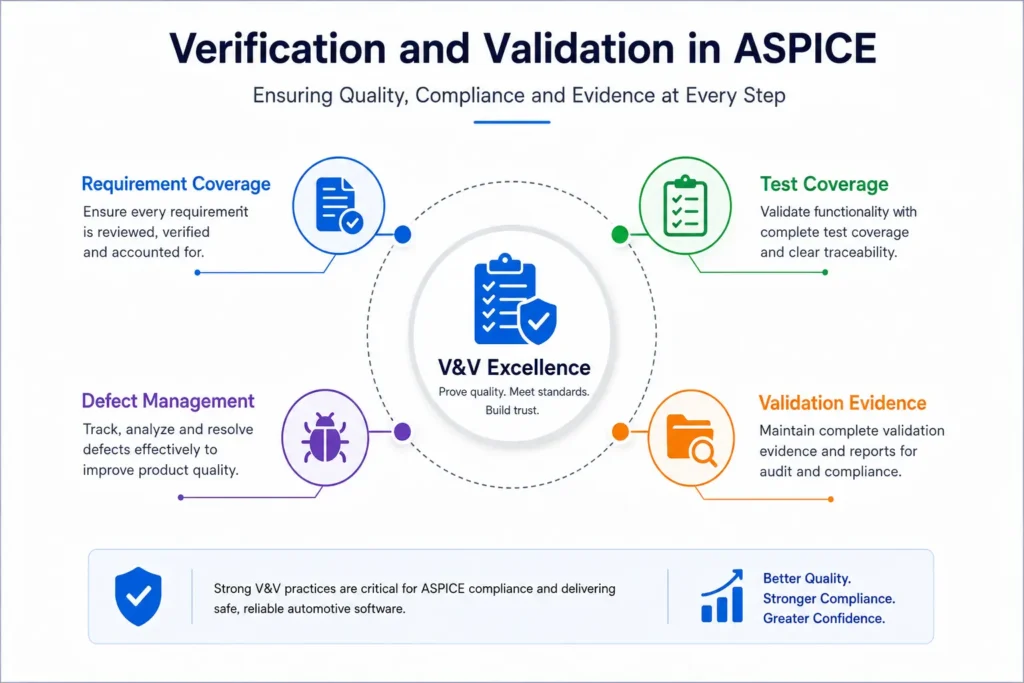
Verification and validation are heavily scrutinized during ASPICE assessments.
Teams must demonstrate:
- Requirement coverage
- Test coverage
- Defect management
- Validation evidence
Jira
Typically requires:
- Xray
- Zephyr
- TestRail integrations
to support comprehensive testing.
Codebeamer
Provides integrated testing capabilities directly linked to requirements.
Coverage analysis and traceability reporting are built into the platform.
Winner: 🏆 Codebeamer
Agile Development: Jira’s Biggest Strength
While Codebeamer excels in compliance, Jira dominates Agile execution.
Jira provides:
- Scrum Boards
- Kanban Boards
- Sprint Planning
- Velocity Reports
- Burndown Charts
For software teams focused on rapid delivery, Jira remains one of the strongest platforms available.
Winner: 🏆 Jira
User Experience and Adoption
| Category | Codebeamer | Jira |
| Learning Curve | Moderate to High | Low |
| Agile Team Adoption | Good | Excellent |
| Compliance Team Adoption | Excellent | Moderate |
| Engineering Governance | Excellent | Moderate |
| Ease of Configuration | Moderate | Easy |
| Product Owner Experience | Good | Excellent |
| Developer Experience | Good | Excellent |
Winner: 🏆 Jira
Automotive Engineering Comparison
| Automotive Requirement | Codebeamer | Jira |
| ASPICE Assessments | Excellent (Native support) | Moderate (Requires customization and plugins) |
| ISO 26262 Support | Excellent (Built-in traceability and compliance workflows) | Limited to Moderate (Requires integrations and governance) |
| Safety Case Traceability | Excellent | Limited |
| Hazard Analysis Support | Native support | Requires third-party tools |
| Risk Management | Native integrated capability | Plugin dependent |
| Change Impact Analysis | Strong and automated | Basic to Moderate |
| Requirements Management | Advanced | Basic to Moderate |
| Requirements Baselines | Native | Not available natively |
| Variant Management | Advanced | Limited |
| Test Management | Native integrated solution | Requires test management apps |
| Test Coverage Reporting | Native and traceable | Possible through integrations |
| End-to-End Traceability | Native | Requires configuration and plugins |
| Compliance Reporting | Built-in | Custom reporting required |
| Audit Readiness | High | Moderate |
| Regulatory Compliance Support | Excellent | Moderate |
| Agile Development | Good | Excellent |
| Sprint Management | Good | Excellent |
| Scrum & Kanban Boards | Good | Excellent |
| Developer Experience | Good | Excellent |
| Product Owner Experience | Good | Excellent |
| Ease of Adoption | Moderate learning curve | Easy |
| Marketplace Ecosystem | Moderate | Excellent |
| OEM Audit Support | Excellent | Moderate |
| Automotive Program Scalability | Excellent | Good |
| ASPICE Level 2–3+ Readiness | Excellent | Requires significant customization |
| Best Fit | Automotive OEMs, Tier-1 Suppliers, Safety-Critical Systems | Agile Software Teams, Product Teams |
Total Cost of Ownership
Many organizations initially view Jira as the less expensive option.
However, automotive programs often require:
- Requirements tools
- Test management solutions
- Compliance plugins
- Reporting tools
- Traceability applications
These additional tools increase administration and integration complexity.
Codebeamer’s higher initial investment often includes capabilities that would otherwise require multiple separate solutions.
For ASPICE-driven programs, total ownership costs are often closer than expected.
The Hybrid Strategy: Codebeamer + Jira
Many mature automotive organizations choose not to replace Jira.
Instead, they integrate Jira with Codebeamer.
Codebeamer Handles:
- Requirements
- Compliance
- Traceability
- Risk Management
- Functional Safety
Jira Handles:
- Agile Planning
- Sprint Execution
- Developer Collaboration
This approach enables organizations to achieve compliance while maintaining Agile productivity.
Learn more about Codebeamer Integration with Jira
Best Practices for Automotive ALM Implementations
Regardless of platform selection:
1. Establish Governance Early
Define ownership, workflows, and standards.
2. Standardize Traceability
Create consistent lifecycle relationships.
3. Align with ASPICE
Design processes around compliance requirements.
4. Train Engineering Teams
Tool adoption is critical to success.
5. Build Audit Readiness Continuously
Avoid compliance preparation at the last minute.
Organizations can accelerate success by following proven ALM Tool Implementation Best Practices
For Codebeamer implementations specifically
Which Tool Should You Choose?
| Scenario | Recommended Platform |
| Automotive Startup Building MVP | Jira |
| Agile Software Team | Jira |
| Automotive OEM | Codebeamer |
| Tier-1 Supplier | Codebeamer |
| ISO 26262 Program | Codebeamer |
| ASPICE Level 2 Assessment | Codebeamer |
| ASPICE Level 3+ Transformation | Codebeamer |
| Safety-Critical ECU Development | Codebeamer |
| ADAS Development | Codebeamer |
| EV Software Platform Development | Codebeamer |
| Mixed Agile + Compliance Environment | Codebeamer + Jira Integration |
| Enterprise Automotive Product Development | Codebeamer + Jira Integration |
Codebeamer vs Jira: Final Scorecard
| Category | Winner |
| ASPICE Compliance | 🏆 Codebeamer |
| ISO 26262 Alignment | 🏆 Codebeamer |
| Requirements Management | 🏆 Codebeamer |
| Traceability | 🏆 Codebeamer |
| Compliance Reporting | 🏆 Codebeamer |
| Risk Management | 🏆 Codebeamer |
| Verification & Validation | 🏆 Codebeamer |
| Change Impact Analysis | 🏆 Codebeamer |
| Agile Boards | 🏆 Jira |
| Sprint Planning | 🏆 Jira |
| Ease of Use | 🏆 Jira |
| Marketplace Ecosystem | 🏆 Jira |
| Developer Productivity | 🏆 Jira |
| Automotive Product Engineering | 🏆 Codebeamer |
How MicroGenesis Helps Automotive Organizations
Successfully achieving ASPICE compliance requires more than selecting the right tool.
Organizations need expertise in:
- ASPICE consulting
- Requirements engineering
- Traceability modeling
- Functional safety
- Compliance reporting
- Lifecycle governance
Through its expertise in Codebeamer ALM, MicroGenesis helps automotive organizations implement scalable engineering lifecycle management environments aligned with ASPICE and ISO 26262 requirements.
MicroGenesis provides:
- Codebeamer implementation services
- ASPICE consulting
- Requirements management frameworks
- Traceability strategy
- Migration services
- Compliance reporting solutions
- Jira-Codebeamer integration support
Whether you’re an OEM, Tier-1 supplier, or automotive software development organization, MicroGenesis helps accelerate compliance readiness while improving engineering efficiency.
Final Verdict: Which Platform Wins?
If your primary objective is:
- Agile project management
- Sprint planning
- Developer productivity
- Team collaboration
then Jira is an excellent choice.
However, if your primary objective is:
- ASPICE compliance
- ISO 26262 readiness
- End-to-end traceability
- Requirements management
- Safety-critical development
- Automotive audit readiness
then Codebeamer is the clear winner.
Jira can be adapted to support many ASPICE requirements, but Codebeamer was built specifically for regulated engineering environments.
For automotive organizations navigating increasing software complexity, compliance requirements, and functional safety obligations, Codebeamer provides a stronger foundation for engineering lifecycle management at scale.
The most mature automotive organizations no longer view the decision as Codebeamer versus Jira. Instead, they view it as Codebeamer for compliance-driven lifecycle management and Jira for Agile execution, creating an engineering ecosystem that delivers both regulatory compliance and development velocity.