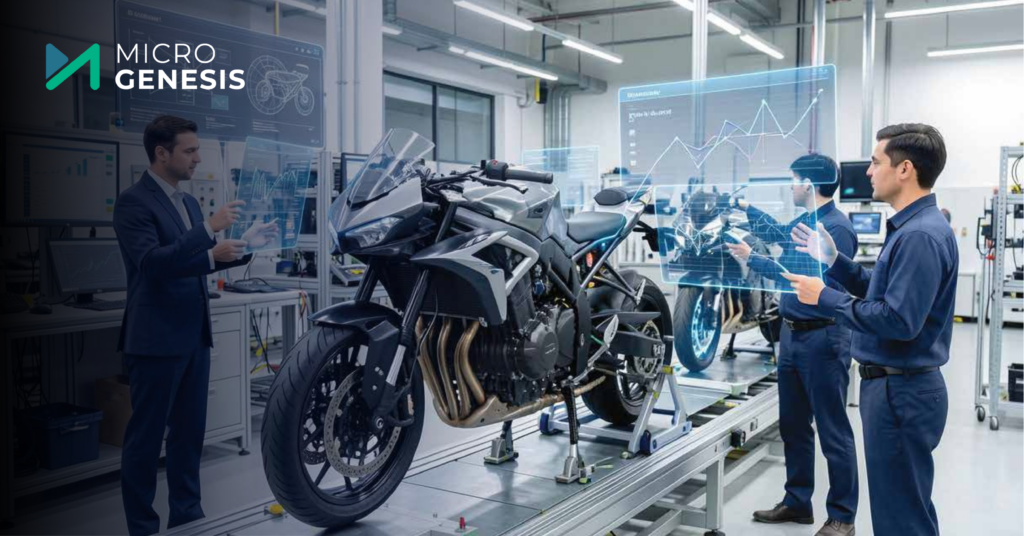

Before exploring the development lifecycle, it is important to understand what a Software Defined Vehicle (SDV) actually is. Unlike traditional vehicles that rely heavily on hardware-defined functionality, SDVs use software as the primary driver of innovation, enabling continuous feature enhancements, over-the-air (OTA) updates, connected services, and intelligent vehicle capabilities. Understanding this shift provides the foundation for appreciating why automotive engineering processes are rapidly evolving.
The automotive industry is rapidly transitioning toward Software Defined Vehicles (SDVs), where software drives innovation, enhances functionality, and enables continuous improvements throughout the vehicle’s lifecycle. Unlike traditional vehicles, which rely heavily on hardware-based functionality, Software Defined Vehicles depend on advanced automotive software, centralized computing, and intelligent software platforms to control everything from infotainment and connectivity to Advanced Driver Assistance Systems (ADAS), Over-the-Air (OTA) updates, and autonomous driving capabilities. This software-first approach is reshaping the future of automotive software engineering and connected mobility.
This transformation requires a fundamental shift in how vehicles are engineered. Automotive organizations can no longer rely on traditional sequential development processes. Instead, they need a continuous engineering approach supported by a software-centric development lifecycle that integrates systems engineering, automotive software development, Model-Based Systems Engineering (MBSE), Engineering Lifecycle Management (ELM), testing, compliance, cybersecurity, and Embedded DevOps for continuous integration and deployment.
The Software Defined Vehicle (SDV) Development Lifecycle provides a structured framework for managing the growing complexity of modern automotive software while ensuring requirements traceability, functional safety, regulatory compliance, engineering collaboration, and software quality. By combining Application Lifecycle Management (ALM), continuous validation, and digital engineering practices, organizations can accelerate innovation without compromising safety or reliability. In this guide, we’ll explore each stage of the SDV Development Lifecycle and the engineering best practices that enable automotive OEMs and Tier 1 suppliers to deliver secure, scalable, and future-ready Software Defined Vehicles.
What Is the SDV Development Lifecycle?
The SDV Development Lifecycle is the end-to-end engineering process used to design, develop, validate, deploy, and continuously improve Software Defined Vehicles.
Every phase of the SDV lifecycle depends on seamless collaboration across engineering disciplines. This is made possible through a connected SDV toolchain architecture that integrates requirements management, MBSE, embedded software development, automated testing, DevOps pipelines, cybersecurity, and Product Lifecycle Management (PLM), ensuring complete traceability and faster software delivery.
Unlike traditional automotive development, where software is finalized before production, the SDV lifecycle is continuous. Software is regularly updated, tested, and enhanced throughout the vehicle’s operational life using Over-the-Air (OTA) updates and connected engineering practices.
The lifecycle integrates multiple engineering disciplines, including:
- Requirements Engineering
- Systems Engineering
- Embedded Software Development
- DevOps and CI/CD
- Continuous Testing
- Functional Safety
- Automotive Cybersecurity
- Validation and Verification
- Release Management
- Lifecycle Management
This integrated approach enables automotive organizations to deliver software updates faster while maintaining compliance with industry standards such as ASPICE, ISO 26262, and ISO/SAE 21434.
Why the SDV Development Lifecycle Matters
As vehicles become more software-intensive, engineering complexity increases significantly. Modern vehicles contain millions of lines of code spread across multiple domains, including powertrain, infotainment, ADAS, connectivity, and body electronics.
Successfully managing the SDV lifecycle requires more than coordinating development activities, it demands an integrated engineering environment where requirements, systems engineering, software development, testing, and product lifecycle management remain connected through a digital thread.
A connected Software-Defined Vehicle lifecycle is a key component of modern digital engineering, bringing together Engineering Lifecycle Management (ELM), Model-Based Systems Engineering (MBSE), Embedded DevOps, Functional Safety, Automotive Cybersecurity, ASPICE, and Digital Thread practices into a unified engineering ecosystem. Explore our Digital Engineering for Automotive Guide to learn how these disciplines work together to accelerate automotive innovation while maintaining quality, traceability, and compliance.
A structured SDV lifecycle helps organizations:
- Accelerate software delivery
- Improve engineering collaboration
- Enable continuous software updates
- Maintain end-to-end traceability
- Reduce development risks
- Support regulatory compliance
- Improve software quality
- Simplify toolchain integration
Without a well-defined lifecycle, engineering teams often struggle with fragmented workflows, disconnected tools, delayed releases, and compliance challenges.
Key Stages of the SDV Development Lifecycle
1. Requirements Engineering
Every Software Defined Vehicle begins with well-defined requirements that capture customer needs, business objectives, regulatory standards, and technical specifications.
Requirements typically include:
- Functional requirements
- Non-functional requirements
- Safety requirements
- Cybersecurity requirements
- Performance expectations
- Regulatory compliance
- User experience goals
Managing these requirements throughout the development lifecycle is essential for maintaining traceability and ensuring that every engineering activity aligns with business and regulatory objectives.
Modern organizations use Engineering Lifecycle Management (ELM) platforms to centralize requirements and establish links between requirements, architecture, code, tests, and validation artifacts.
Related Reading: What Is a Software Defined Vehicle?
2. System Architecture and Design
Once requirements are defined, engineering teams design the overall system architecture that connects hardware, software, communication networks, and cloud services.
This stage includes:
- Vehicle architecture design
- Electrical and Electronic (E/E) architecture
- Software architecture
- Domain controller design
- Centralized computing architecture
- Communication protocols
- Security architecture
As Software Defined Vehicles become more complex, organizations increasingly adopt Model-Based Systems Engineering (MBSE) to model system behavior, validate designs, and improve collaboration across engineering teams.
A well-designed architecture reduces integration complexity and supports future software updates.
3. Embedded Software Development
Software development is one of the most critical stages of the SDV lifecycle. Engineers develop software that controls vehicle functions while ensuring high performance, reliability, and safety.
Development activities include:
- Embedded application development
- Middleware implementation
- Driver development
- AUTOSAR integration
- Communication protocols
- Diagnostic services
- Vehicle operating system development
Modern automotive software is developed using Agile methodologies combined with DevOps practices to improve collaboration and accelerate delivery.
4. Toolchain Integration
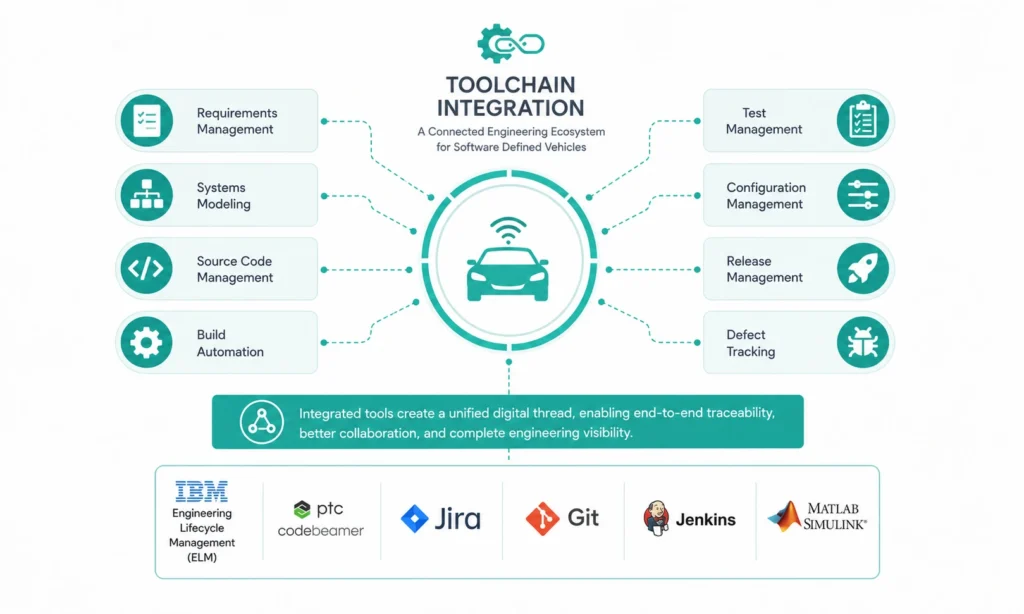
Software Defined Vehicles rely on multiple engineering tools that support different stages of development. These tools must work together to ensure seamless information flow across the engineering lifecycle.
A typical SDV toolchain includes:
- Requirements Management
- Systems Modeling
- Source Code Management
- Build Automation
- Test Management
- Configuration Management
- Release Management
- Defect Tracking
Integrating these tools creates a connected engineering ecosystem that enables complete traceability and improves engineering visibility.
Organizations often integrate solutions such as IBM Engineering Lifecycle Management (ELM), PTC Codebeamer, Jira, Git, Jenkins, and MATLAB/Simulink to build a unified digital thread.
5. Continuous Integration (CI)
As Software Defined Vehicles evolve, engineering teams work simultaneously on thousands of software components across multiple domains. Without Continuous Integration (CI), integrating these components becomes time-consuming and error-prone.
Continuous Integration automates the process of merging code changes into a shared repository, where each change is automatically built and validated.
A typical SDV CI pipeline includes:
- Source code commit
- Automated code compilation
- Static code analysis
- Unit testing
- Build verification
- Artifact generation
- Quality gate validation
Automated CI pipelines help engineering teams detect defects early, reduce integration failures, and maintain software quality throughout development.
For embedded automotive software, CI often includes Hardware-in-the-Loop (HIL) and Software-in-the-Loop (SIL) simulations to validate software before deployment to physical hardware.
6. Continuous Testing and Validation
Testing is no longer a separate phase performed at the end of development. In Software Defined Vehicle engineering, testing is integrated throughout the lifecycle.
Continuous Testing ensures that every software change is verified automatically before being released.
Typical testing activities include:
Unit Testing
Individual software modules are tested independently to verify functionality.
Integration Testing
Software components are tested together to ensure proper communication between systems.
System Testing
The complete vehicle software stack is validated against business and technical requirements.
Hardware-in-the-Loop (HIL)
Real hardware interacts with simulated vehicle environments to validate embedded software.
Software-in-the-Loop (SIL)
Software is executed within virtual environments to validate algorithms before hardware integration.
Model-in-the-Loop (MIL)
Engineering models are validated early in the development lifecycle before code generation.
Regression Testing
Previously released functionality is continuously tested whenever software changes occur.
Automated testing significantly improves software quality while reducing development time and manual testing effort.
7. Functional Safety and Automotive Cybersecurity
Software Defined Vehicles must comply with strict safety and cybersecurity standards because software failures can directly impact vehicle safety.
Functional Safety
Functional Safety focuses on preventing hazardous situations caused by software or hardware failures.
Engineering activities include:
- Hazard Analysis and Risk Assessment (HARA)
- ASIL classification
- Safety requirements
- Safety architecture
- Safety validation
- Safety case documentation
The primary standard governing functional safety is ISO 26262.
Automotive Cybersecurity
Modern connected vehicles exchange data with cloud platforms, mobile applications, charging infrastructure, and other vehicles.
This connectivity introduces cybersecurity risks such as:
- Unauthorized vehicle access
- Remote attacks
- Software tampering
- ECU compromise
- OTA manipulation
Engineering teams implement cybersecurity throughout the development lifecycle following ISO/SAE 21434 and UNECE WP.29 regulations.
Cybersecurity activities include:
- Threat analysis
- Secure software development
- Vulnerability assessments
- Penetration testing
- Secure boot implementation
- Encryption
- Authentication
- Secure OTA validation
Rather than treating cybersecurity as a final validation activity, Software Defined Vehicle development integrates security into every engineering phase.
8. Release Management and OTA Deployment
One of the defining characteristics of Software Defined Vehicles is the ability to deliver software updates after production.
Unlike traditional vehicles, which require dealership visits for software changes, SDVs receive updates remotely using Over-the-Air (OTA) technology.
OTA deployment enables manufacturers to deliver:
- Feature enhancements
- Bug fixes
- Cybersecurity patches
- Performance optimization
- Battery improvements
- Navigation updates
- User interface improvements
- AI model updates
Before software is released, engineering teams perform:
- Build verification
- Compatibility testing
- Compliance validation
- Security verification
- Deployment simulation
- Rollback testing
A successful OTA strategy ensures that software updates are reliable, secure, and minimize disruption for vehicle owners.
9. Vehicle Operations and Continuous Lifecycle Management
The Software Defined Vehicle lifecycle does not end after deployment.
Instead, engineering teams continuously monitor vehicle performance and use operational data to improve future software releases.
Connected vehicles generate valuable information such as:
- System diagnostics
- Performance metrics
- Battery health
- Driver behavior
- Sensor data
- Failure reports
- Usage statistics
This information enables engineering teams to:
- Detect issues early
- Improve software quality
- Optimize system performance
- Predict component failures
- Plan future releases
Continuous lifecycle management transforms vehicles into evolving digital products rather than fixed hardware assets.
Best Practices for an Effective SDV Development Lifecycle
Successfully delivering Software Defined Vehicles requires more than adopting new technologies. Organizations must establish engineering practices that support collaboration, automation, and continuous improvement.
Build a Connected Engineering Toolchain
Integrate requirements management, systems engineering, software development, testing, and release management into a unified engineering ecosystem.
Disconnected tools create visibility gaps and increase manual effort.
Implement End-to-End Traceability
Every engineering artifact should be linked across the lifecycle.
A complete digital thread connects:
Requirements → Architecture → Development → Testing → Validation → Release → Operations
This improves engineering visibility while simplifying compliance.
Adopt Embedded DevOps
Traditional software delivery processes cannot support the rapid release cycles required for Software Defined Vehicles.
Embedded DevOps enables:
- Automated builds
- Continuous Integration
- Continuous Testing
- Automated deployments
- Release automation
- Engineering collaboration
These practices reduce release cycles while improving software quality.
If you’re new to this approach, our What Is Embedded DevOps? guide explains how Continuous Integration, automated testing, release automation, and DevOps practices enable automotive engineering teams to accelerate software delivery while maintaining quality, traceability, and compliance.
Shift Testing Left
Testing should begin during requirements and architecture design rather than waiting until implementation is complete.
Early testing reduces defects, minimizes rework, and accelerates delivery.
Prioritize Cybersecurity Throughout Development
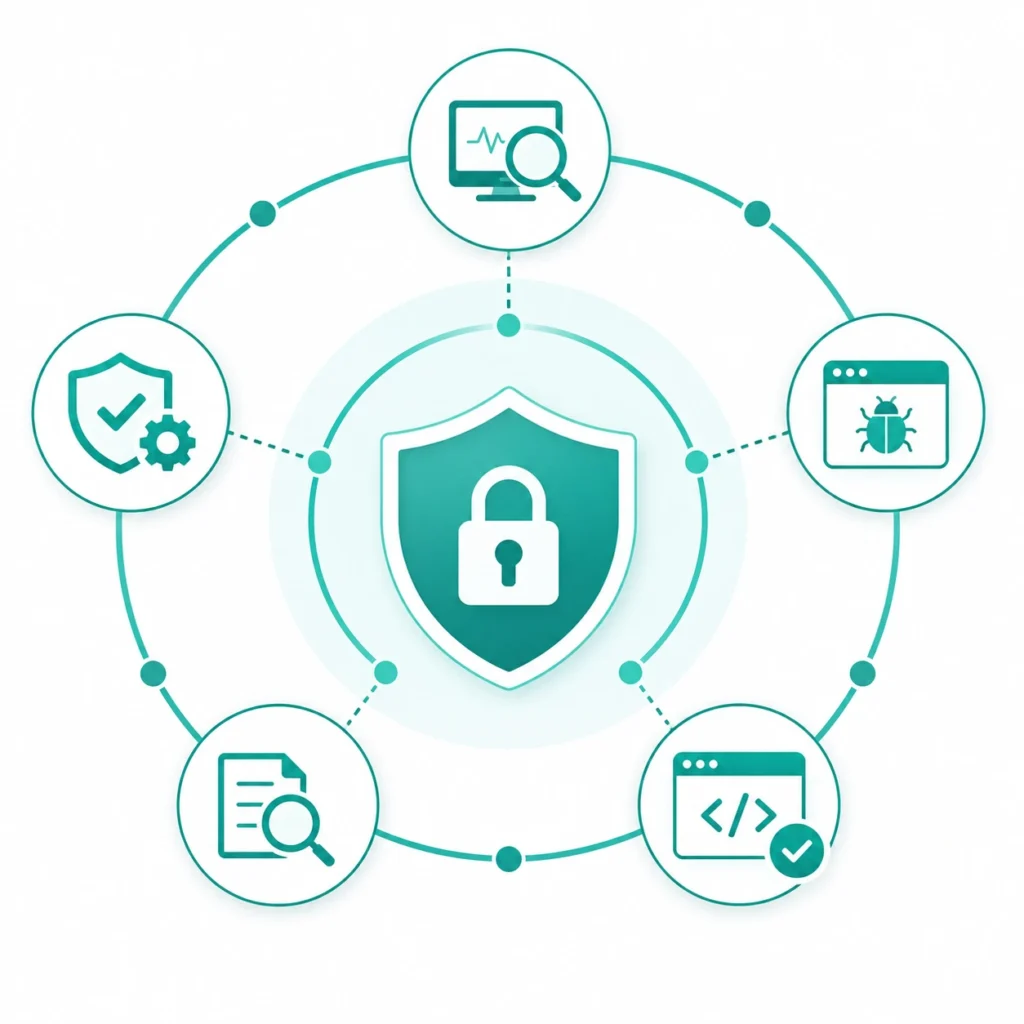
Security should be integrated into every engineering activity.
Organizations should automate:
- Security scanning
- Vulnerability assessments
- Dependency analysis
- Secure coding validation
- Compliance verification
This approach is commonly known as DevSecOps.
Common Challenges in the SDV Development Lifecycle
Although Software Defined Vehicles offer significant advantages, organizations often encounter several engineering challenges.
Managing Software Complexity
Modern vehicles contain millions of lines of code developed by globally distributed engineering teams.
Managing dependencies across multiple domains requires strong engineering governance and lifecycle management.
Toolchain Fragmentation
Engineering organizations often use different tools for:
- Requirements
- Source code
- Testing
- Release management
- Defect tracking
Without integration, teams lose visibility across the engineering lifecycle.
Compliance Requirements
Automotive organizations must comply with multiple standards simultaneously, including:
- ASPICE
- ISO 26262
- ISO/SAE 21434
- UNECE WP.29
Meeting these requirements requires automated traceability and well-defined engineering workflows.
Meeting industry standards is only the first step. Automotive OEMs and Tier-1 suppliers are increasingly expected to demonstrate the maturity of their engineering processes through formal ASPICE assessments. Understanding how capability levels are evaluated, what evidence assessors look for, and how to prepare engineering teams can significantly improve assessment outcomes. Our ASPICE Level Assessment guide explains the assessment methodology, capability levels, preparation activities, and best practices for achieving successful results.
If you’re evaluating engineering process maturity frameworks, our ASPICE vs. CMMI comparison explains the differences between these models and helps determine which is better suited for automotive software development.
For organizations planning to improve engineering maturity, our ASPICE Implementation Roadmap provides a step-by-step approach to process adoption, toolchain alignment, team enablement, and continuous improvement.
Automotive SPICE (ASPICE) provides a structured framework for improving software and systems engineering processes across the automotive lifecycle. If you’re getting started, read our What Is ASPICE? guide to understand its process areas, capability levels, and business benefits.
Scaling Continuous Delivery
Deploying software across thousands of connected vehicles requires robust infrastructure capable of managing releases securely and reliably.
Engineering teams must balance innovation with safety and regulatory compliance.
How MicroGenesis Helps Accelerate SDV Development
MicroGenesis helps automotive OEMs and Tier 1 suppliers modernize Software Defined Vehicle development through integrated engineering consulting and implementation services.
Our expertise includes:
- Embedded DevOps for CI/CD, Continuous Testing, and release automation
- Model-Based Systems Engineering (MBSE) for architecture modeling and digital thread enablement
- Automotive Process Consulting aligned with ASPICE, ISO 26262, and ISO/SAE 21434
- Engineering Lifecycle Management (ALM/ELM) using IBM ELM, PTC Codebeamer, Jira, and integrated engineering toolchains
- Engineering Traceability connecting requirements, development, testing, and compliance across the SDV lifecycle
With over 25 years of engineering transformation experience, MicroGenesis helps organizations improve engineering efficiency, reduce software complexity, accelerate releases, and build scalable Software Defined Vehicle platforms.
Frequently Asked Questions
What is the SDV Development Lifecycle?
The SDV Development Lifecycle is the end-to-end engineering process used to design, develop, validate, deploy, and continuously improve Software Defined Vehicles through software-centric engineering practices.
Why is Continuous Integration important for SDVs?
While a structured lifecycle improves software delivery and product quality, organizations must still overcome challenges related to software complexity, functional safety, cybersecurity, regulatory compliance, and large-scale system integration. Learn more about these Software Defined Vehicle engineering challenges and the best practices for addressing them across modern automotive programs.
How do OTA updates support SDVs?
OTA updates allow manufacturers to remotely deliver new features, security patches, bug fixes, and performance improvements without requiring physical service visits.
What standards are important in SDV development?
Common standards include ASPICE, ISO 26262 for Functional Safety, ISO/SAE 21434 for Automotive Cybersecurity, and UNECE WP.29 cybersecurity regulations.
Conclusion
The Software Defined Vehicle (SDV) Development Lifecycle is transforming automotive engineering from a hardware-focused process into a continuous, software-driven approach. By integrating requirements engineering, Embedded DevOps, continuous testing, cybersecurity, and Engineering Lifecycle Management (ELM), organizations can build intelligent, connected, and continuously evolving vehicles with greater efficiency and reliability.
As Software Defined Vehicles become the foundation of future mobility, organizations that invest in connected engineering, automated workflows, and end-to-end traceability will be better positioned to accelerate innovation while maintaining safety, quality, and regulatory compliance. Adopting a modern SDV development lifecycle today will help automotive manufacturers deliver scalable, future-ready vehicles that can evolve with changing technology and customer expectations.